TEL: +86-177 3033 8505 EMAIL: info@cnwali.com
Contact |
The Industrial Waste Recycling System is designed to be automated, intelligent, and resource-efficient.
General Industrial Waste typically refers to solid waste generated during production processes in machinery, light industry, and other manufacturing sectors. It includes a significant amount of discarded textiles, plastics, leather, rubber, wood, and similar waste materials.
These waste streams—containing high-calorific combustible materials like plastics (calorific value: 35-45 MJ/kg), rubber (32-38 MJ/kg) and waste paper (16-20 MJ/kg)—can be processed through sorting and shredding to produce SRF (Solid Recovered Fuel) or RDF (Refuse-Derived Fuel). The resulting fuel has a calorific value of 3,500–4,500 kcal/kg, making it suitable for replacing coal in industrial applications such as cement kilns and power plants, thereby reducing reliance on fossil fuels.
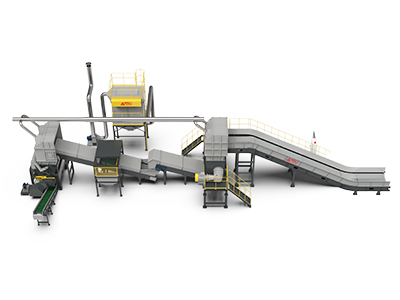
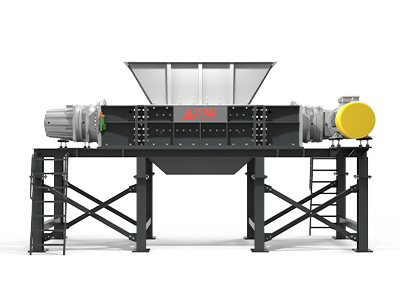
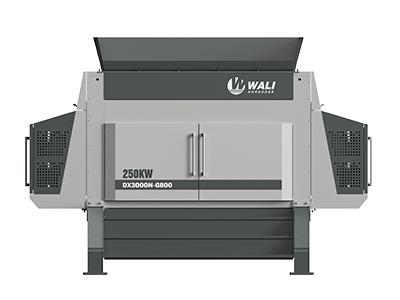
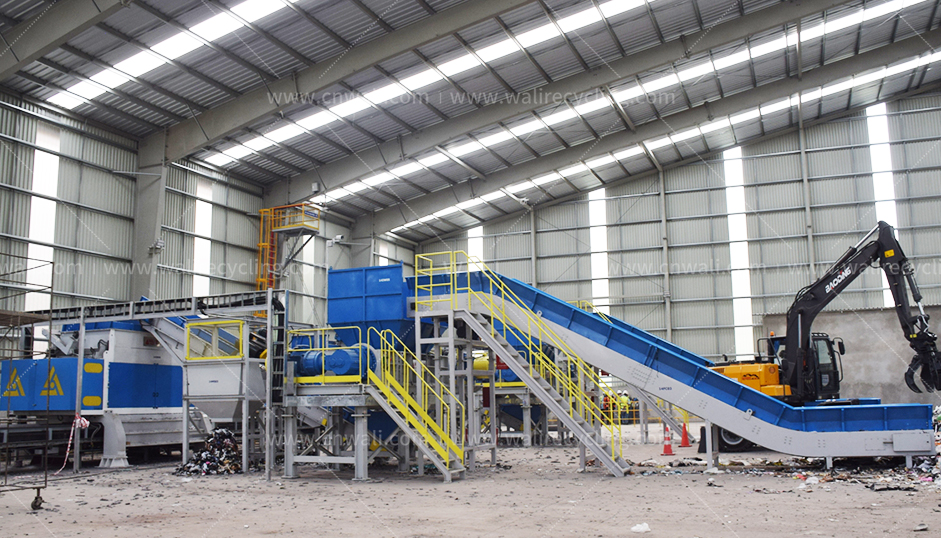
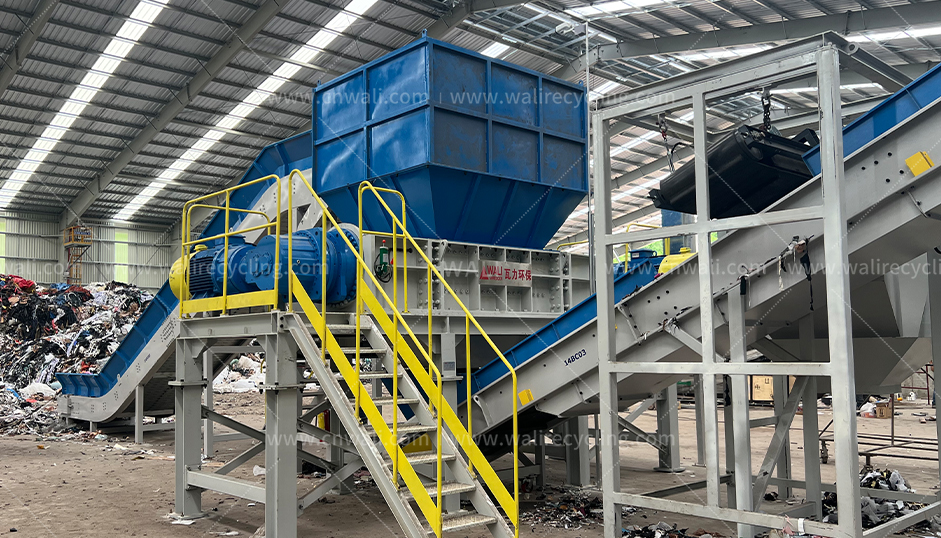
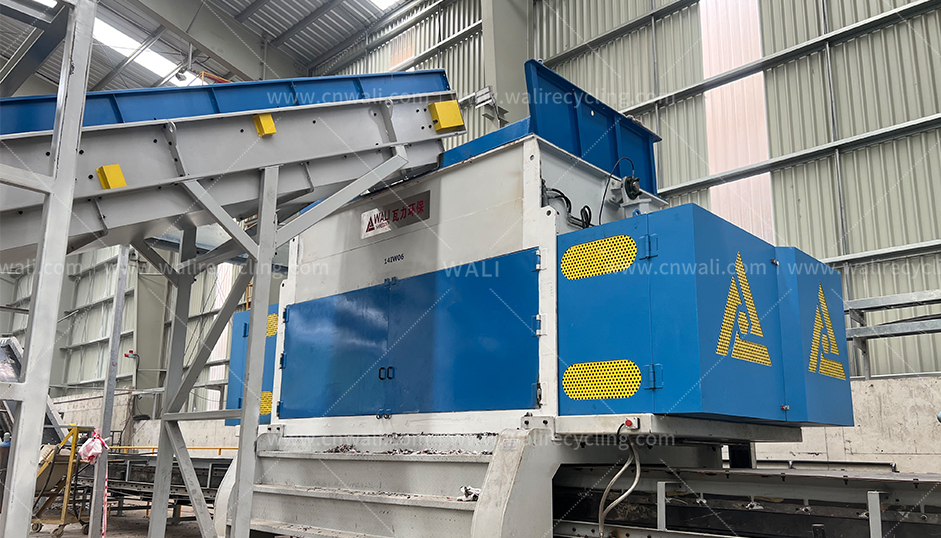
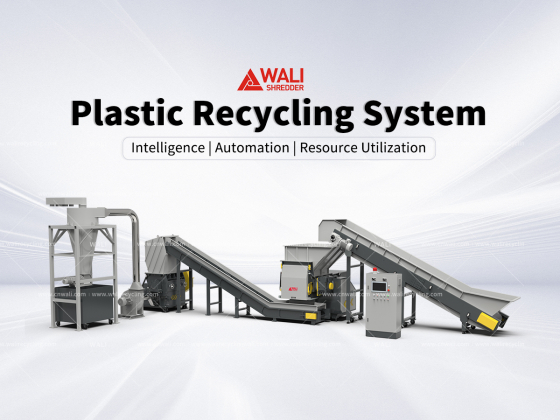
The Wali General Industrial Waste Recycling System is a high-efficiency processing solution that integrates intelligence, automation, and resource utilization. The system’s core equipment includes double shaft shredder, single shaft shredder, conveyors, Magnetic separator. Featuring an intelligent control system, the production line achieves fully automated operation.
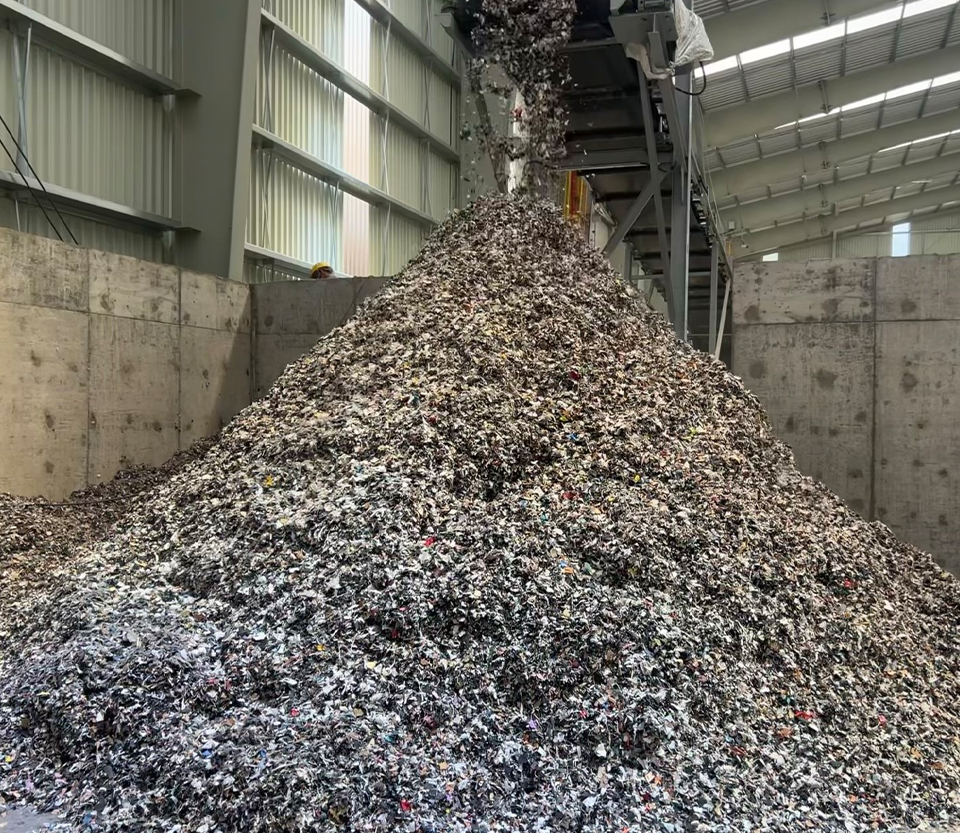
The system primarily shreds high-calorific industrial waste such as textiles and plastics to enable more precise subsequent sorting, laying the foundation for producing SRF (Solid Recovered Fuel) alternative fuel or RDF (Refuse-Derived Fuel) pellets.

The WALI Industrial Waste Recycling System is a highly efficient crushing solution customized based on the actual needs of customers, offering diversified crushing processing technologies.
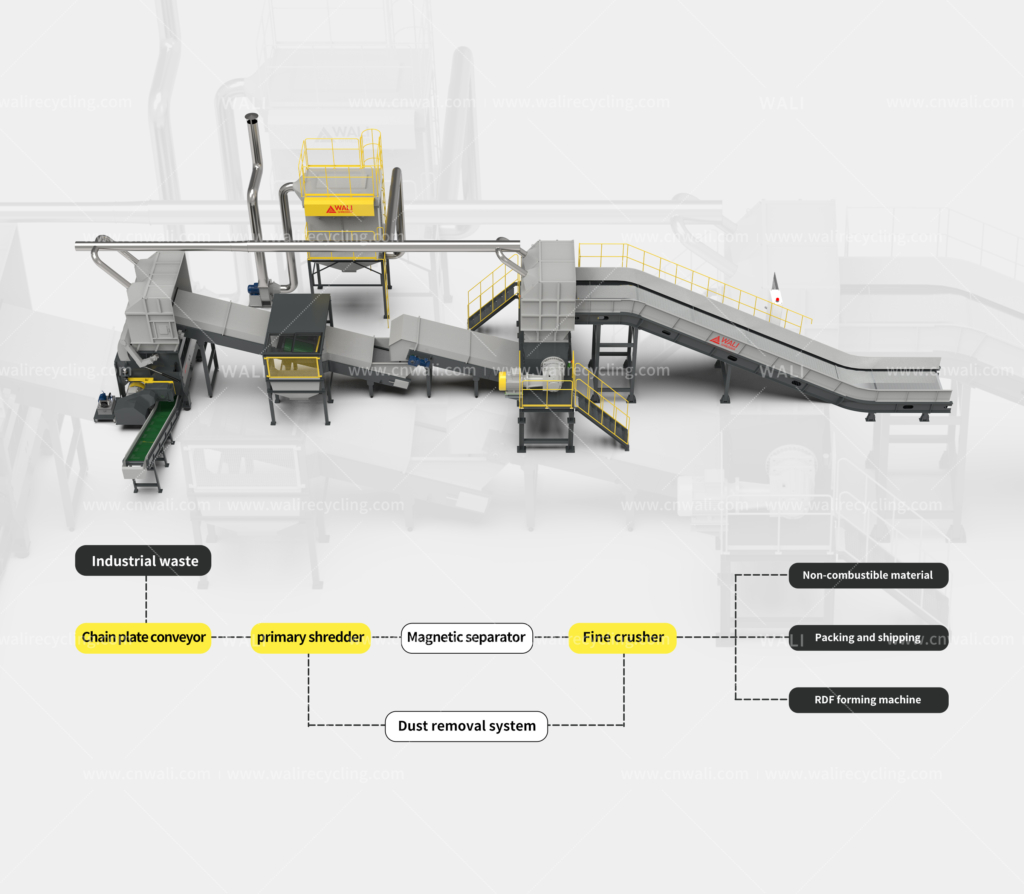
I. Primary Shredding Stage
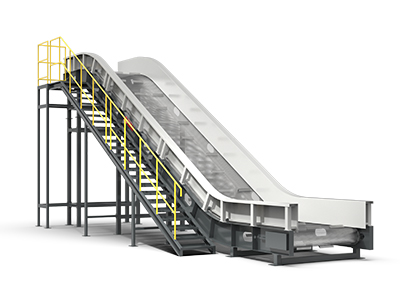
Materials are fed via chain plate conveyor into the dual-shaft shredder for primary size reduction.
II. Ferrous Metal Recovery
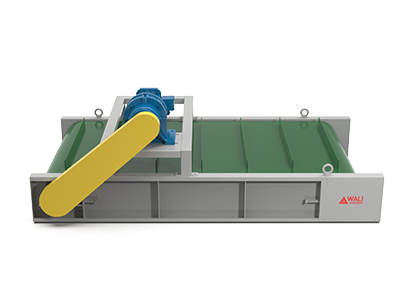
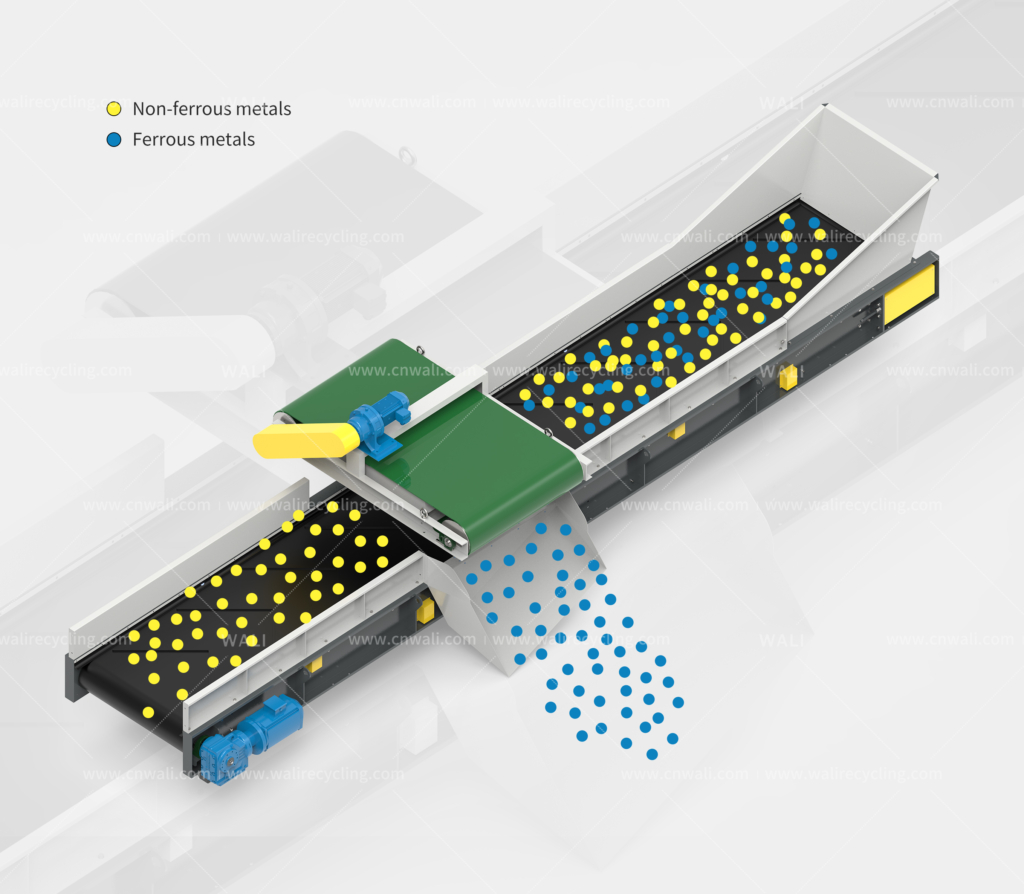
Shredded material passes under an overhead magnetic separator on the belt conveyor system, effectively extracting ferrous metals to produce purified material fragments.
III. Secondary Shredding Stage
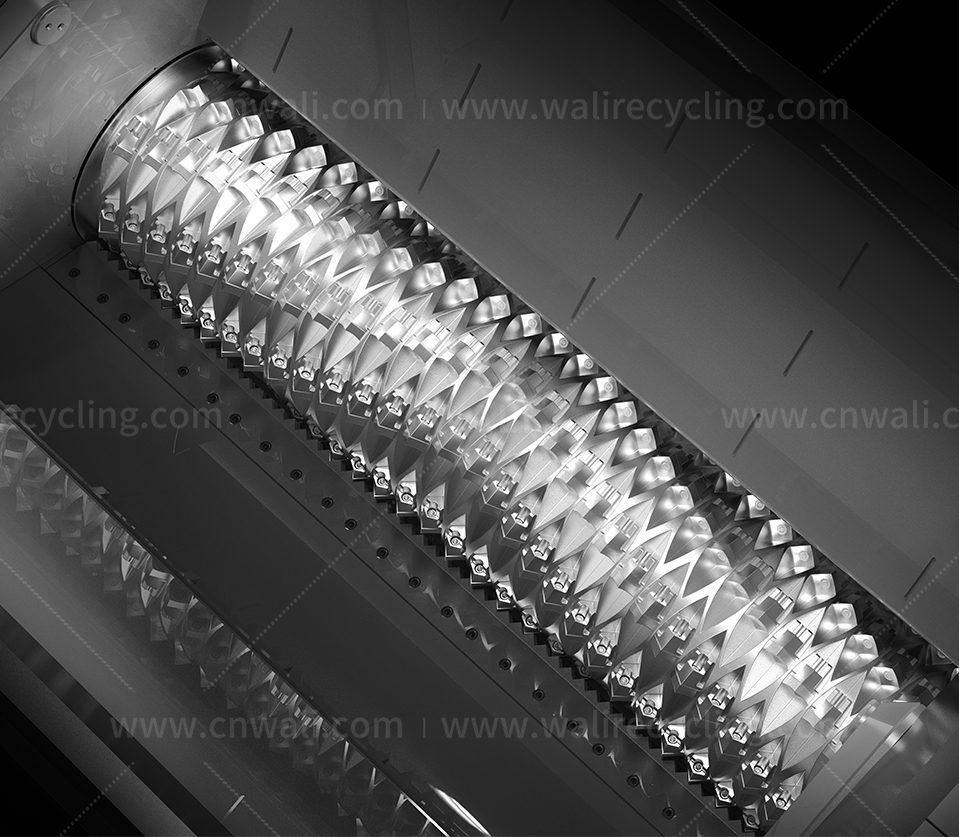
materials are fed into a single-shaft shredder for fine size reduction.
IV. Flexible Process Configuration
The system offers modular adaptability to meet various end-product requirements:
• SRF Production Line: Can integrate a baler to produce Solid Recovered Fuel (SRF) for co-processing
• RDF Production Line: May incorporate an RDF densification system to manufacture Refuse-Derived Fuel (RDF) pellets
Processing Capacity: 2–20t/h
Output Size: 30–100 mm

WALI Recovering And Recycling Valuable Resources Back Into The Supply Chain.