 Шредер Страж
DX3000F Single-Shaft Shredder: Long-Blade Design Solves the Challenge of Shredding Waste Plastic Film
As waste plastic film recycling moves from ‘crude baling’ toward ‘fine granulation,’ the traditional ‘shred-it-and-it’s-fine’ approach of conventional shredding equipment can no longer meet today’s resource-recovery requirements.
Whether it’s PE film, PP woven bags, agricultural film, or stretch film, the core bottleneck for these lightweight, flexible film materials remains the same: the output isn’t fine enough or uniform enough, so downstream washing and granulation ‘can’t take it in or push it out.’
The Wali DX3000F single-shaft shredder builds on the DX3000 by replacing the square block blades with a long-blade design, achieving precise shredding through denser cutting and opening a clear conversion path from ‘waste film’ to ‘qualified recycled material.
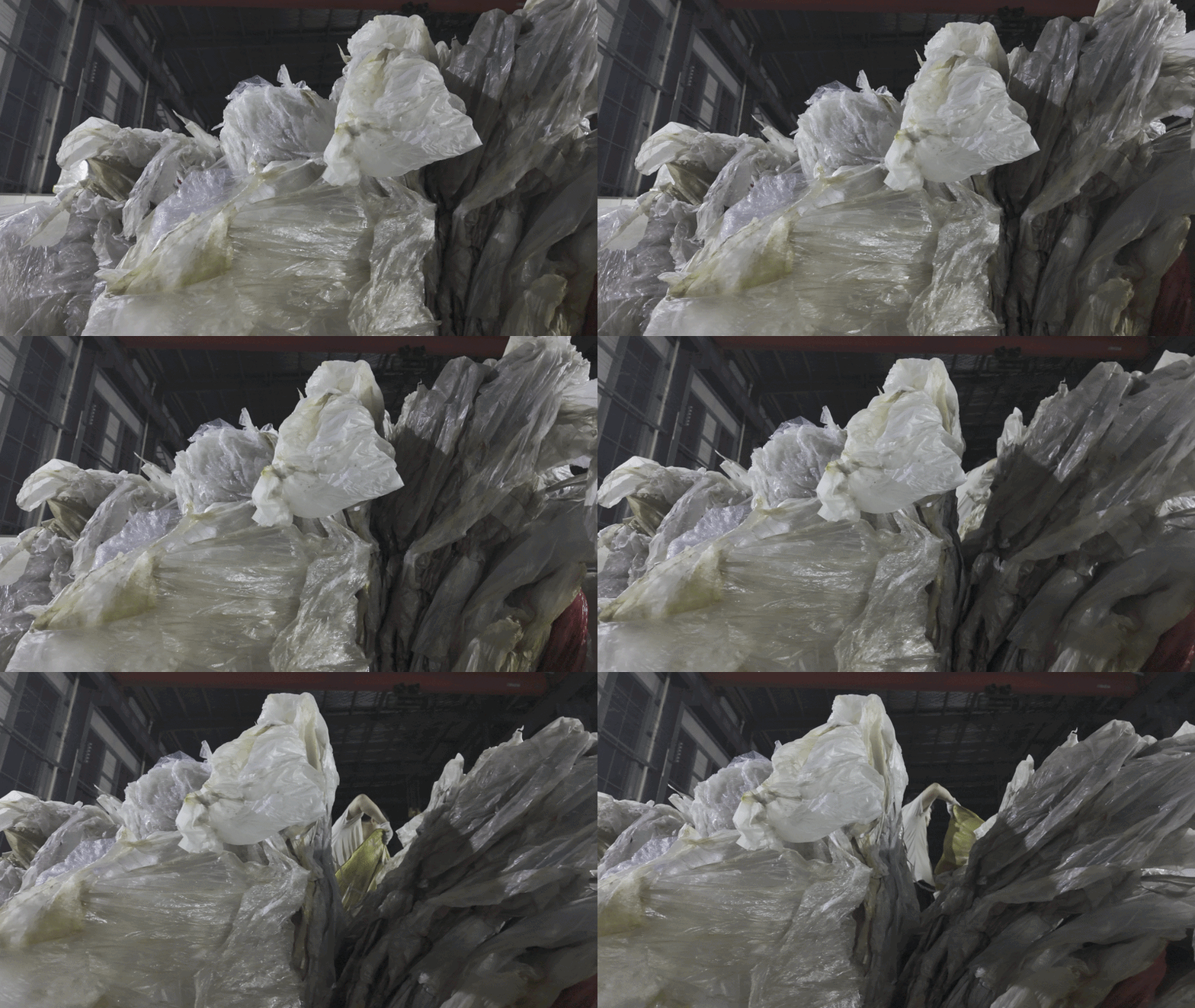
01 Why Is Plastic Film Shredding So Difficult?
Plastic film that hasn’t been finely shredded contains large amounts of long strips, clumped film, and fragments. If fed directly into the washing line or granulator, several problems arise:
1. Long film strips wrap around the blade shaft, causing frequent jams and downtime that is time-consuming and labor-intensive to clear;
2. Clumped film isn’t broken apart, so impurities trapped inside can’t be washed out during cleaning, affecting recycled material quality;
3. Particle size fluctuates widely, so the granulator receives uneven feed, extrusion becomes unstable, and pellet density suffers;
4. Overly fine fragments generate large amounts of dust, increasing material loss and degrading the workshop environment.
The root cause of these problems often lies not in ‘shredding’ сам, but in a mismatch between blade design and the characteristics of film materials.
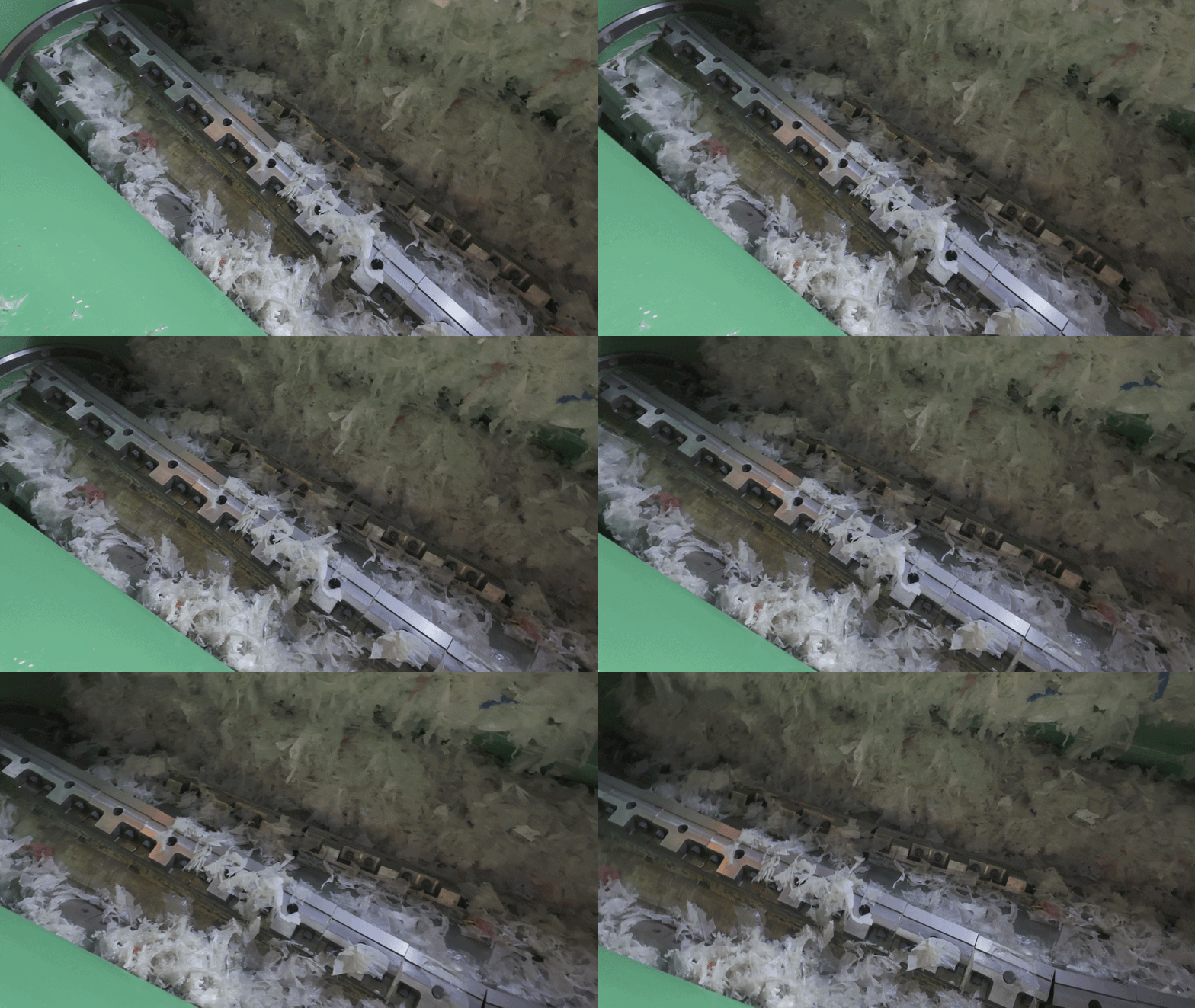
The DX3000F fills exactly this critical gap in the fine-shredding stage. It is designed primarily for plastic film fine-shredding applications with strict requirements on output particle size:
- Pre-treatment for PE film and PP woven bag granulation. After waste film and woven bags are shredded to under 50 mm by the DX3000F, they enter the washing line and granulator. Uniform output particle size enables more thorough cleaning, stable granulator feed, and controllable recycled pellet quality.
- Agricultural film and stretch film recycling. Agricultural film contains sand and soil, and stretch film is highly tough. The long-blade design adapts well to these materials, delivering uniform output and qualified feedstock for subsequent washing and granulation.
- General industrial solid waste film shredding. Film materials such as factory scrap and packaging film are greatly reduced in volume after shredding, making storage, transportation, and downstream processing easier.
02 DX3000F vs. DX3000N: The Difference Between Long Blades and Square Block Blades
The DX3000F and the DX3000N belong to the same single-shaft shredder series. Their core difference lies in blade design, which corresponds to different output-size requirements:
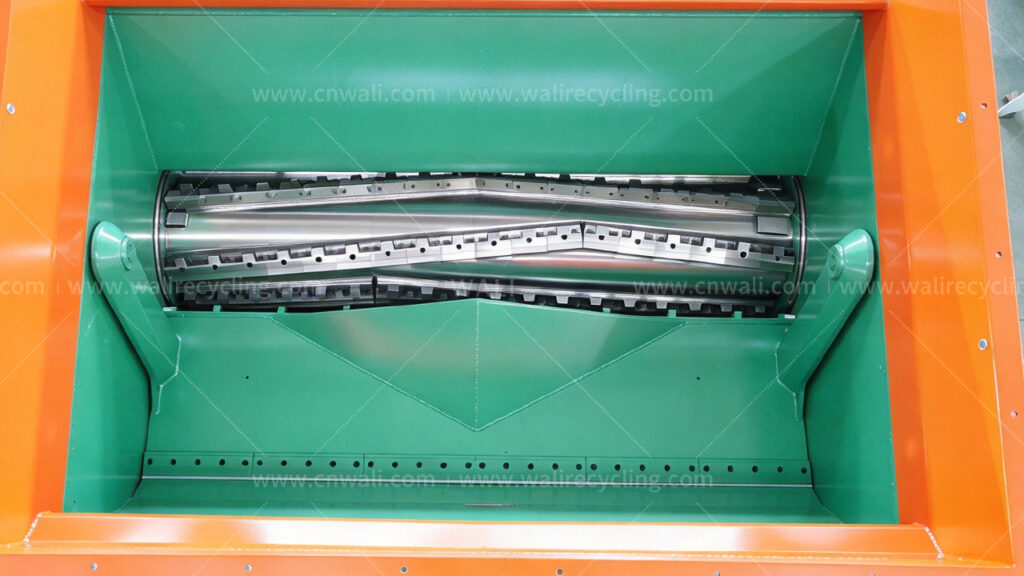
- Square block blades (DX3000N): Suitable for applications requiring 50–100 mm output. The blades are mounted on the rotor in a V-shaped arrangement, effectively reducing feed resistance and delivering high shear efficiency—ideal for conventional shredding in RDF/SRF preparation.
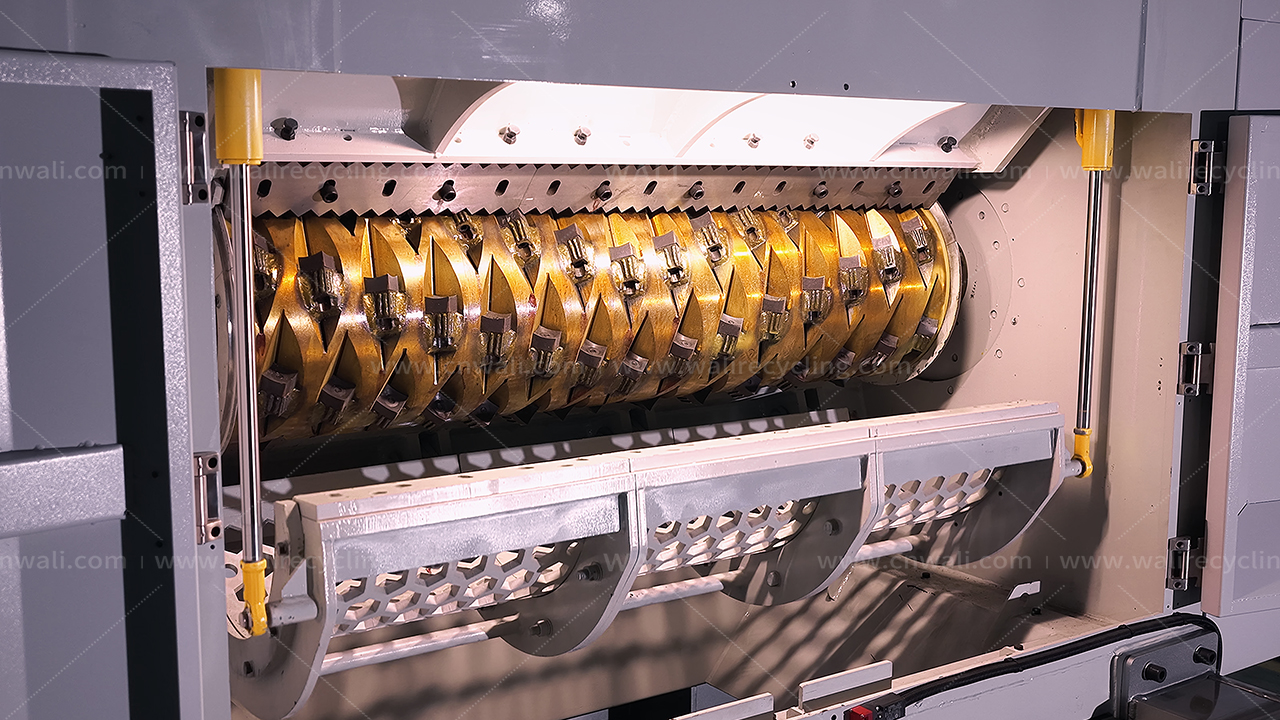
- Long blades (DX3000F): Suitable for fine-shredding applications requiring output under 50 миллиметр. The blades are longer with a larger cutting surface, enabling denser cutting and ensuring uniform, fine output that meets the strict particle-size requirements of plastic film before granulation.
03 Long-Blade Design: Targeted Optimization for On-Site Pain Points
The equipment’s core technical advantages are designed entirely around the real pain points of film shredding on site.
1. Solving wrapping and jamming—denser cutting.
The longer blade edge means more effective cuts per revolution. Film is cut repeatedly before it has a chance to wrap, so it doesn’t get ‘strangled’ by long strips the way ordinary blades do. Continuous operating time is greatly extended, and downtime for cleaning is significantly reduced.
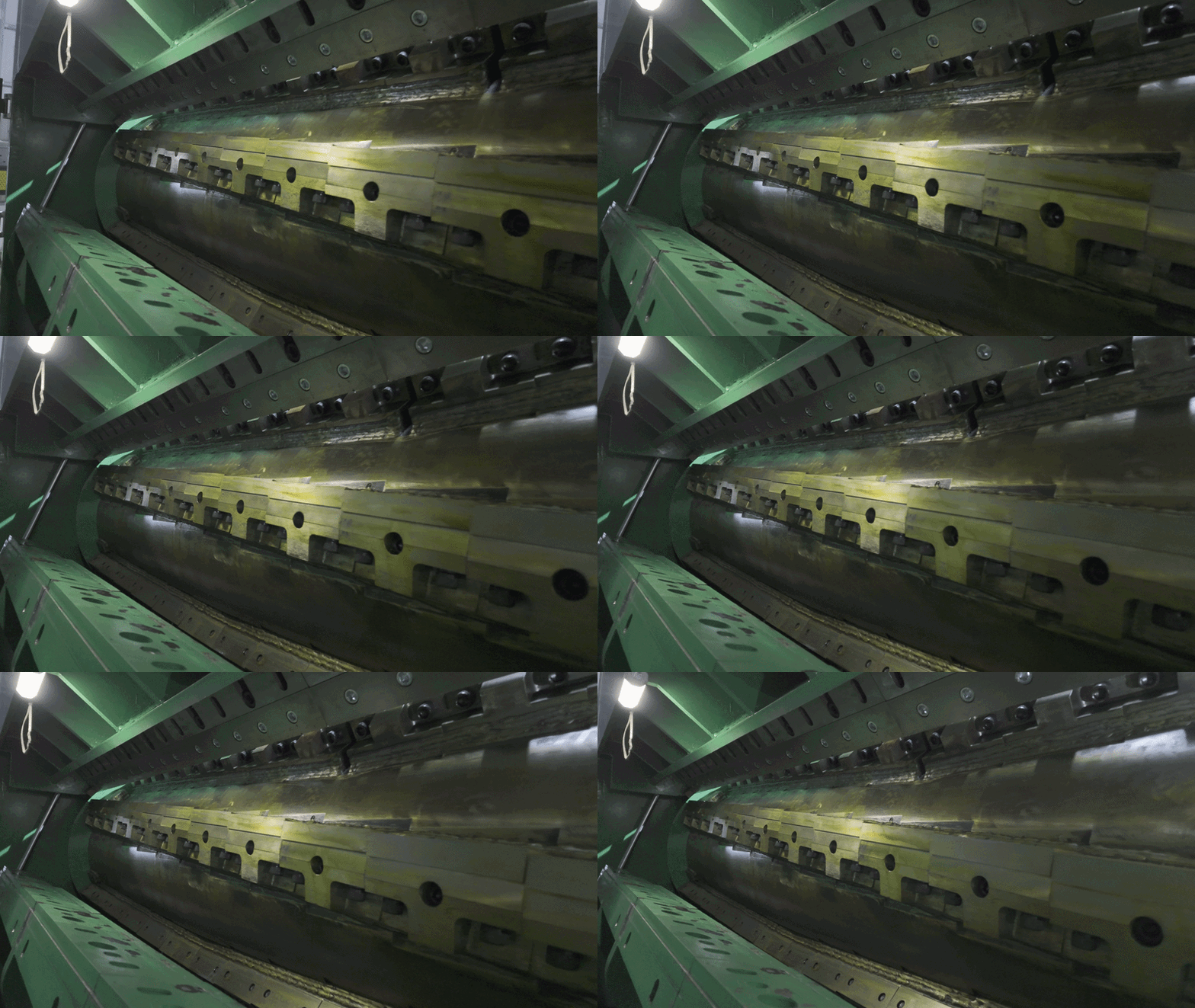
2.Solving uneven output—more uniform discharge.
Long blades cut film more cleanly, so the resulting film pieces are consistent in size—no more ‘big clumps left unshredded while fines are over-shredded.’ Impurities are easier to wash away during cleaning, and granulator feed is stable with smooth extrusion.
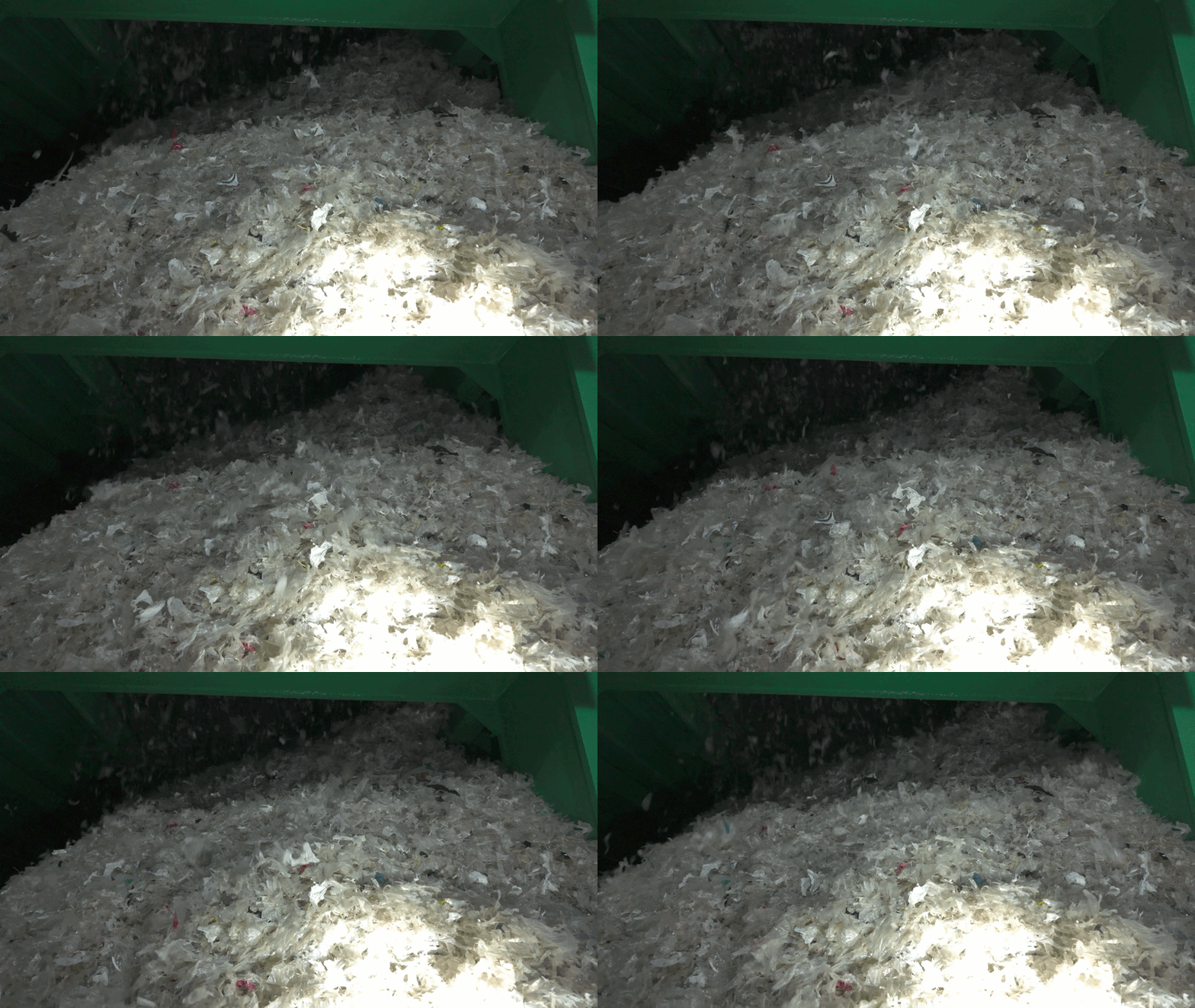
3.Solving rapid blade wear—more uniform force distribution.
Film often contains sand, metal chips, and other impurities. Long blades experience less impact force per unit length, resulting in better durability. Blades can also be rotated and reused multiple times, further reducing consumable costs.
4.Solving material blockage and downtime—smoother shearing.
Long blades, combined with the single-shaft shear structure and hydraulic pusher, continuously and evenly push film toward the blade rotor so it doesn’t pile up and wrap inside the chamber. Material is discharged only after being shredded smaller than the screen openings—if it isn’t fine enough, it stays inside and keeps getting cut until it meets spec.
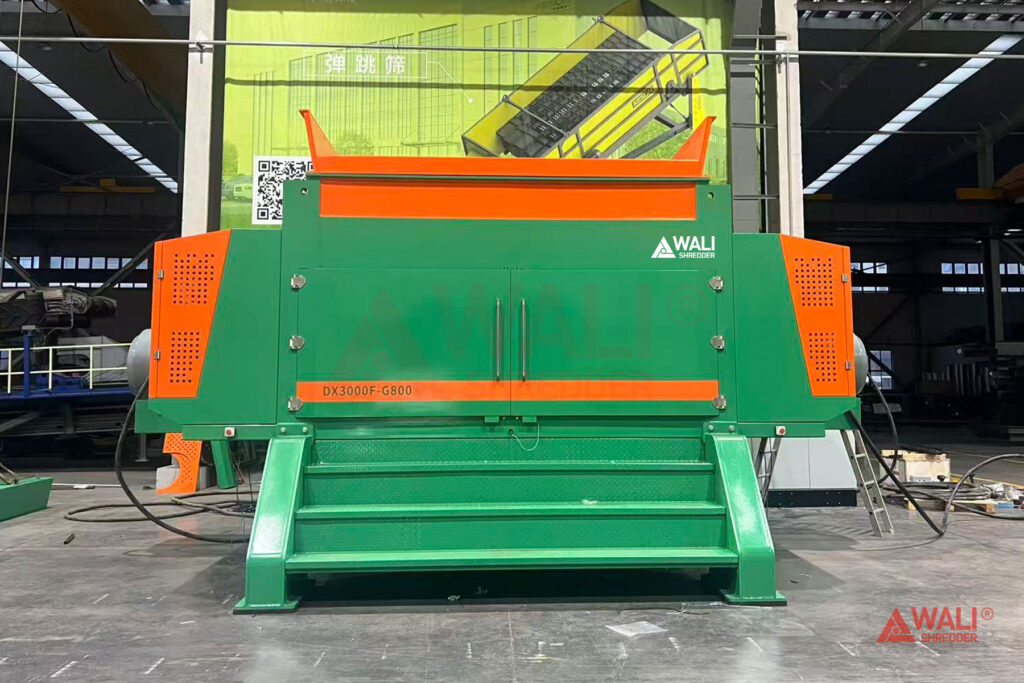
Сегодня, Wali single-shaft shredders are widely used in plastic film recycling, biomass granulation, SRF alternative fuel preparation, and many other fields.
With its long-blade design, the DX3000F accomplishes the most critical ‘fine separation’ step in plastic film shredding—helping recycling companies improve the quality and selling price of recycled materials while providing solid technical support for plastic resource recovery.
-END-