 Шредер Страж
Breaking the Entanglement Challenge, Turning Industrial Textile Waste into True Alternative Fuel
China generates over 20 million tons of waste textiles every year, yet the recycling rate is less than 20%. Large quantities of waste fabrics, garment factory offcuts, and nonwoven offcuts end up either in landfills or incinerators, resulting in both resource waste and environmental pressure.
В то же время, as “zero-landfill” policies take effect in many regions across the country, the cost of industrial solid waste disposal continues to rise. More and more companies are turning their attention to a new path: turning textile waste into fuel.”
Why Is Textile Waste a "Premium Raw Material" for Producing RDF/SRF?
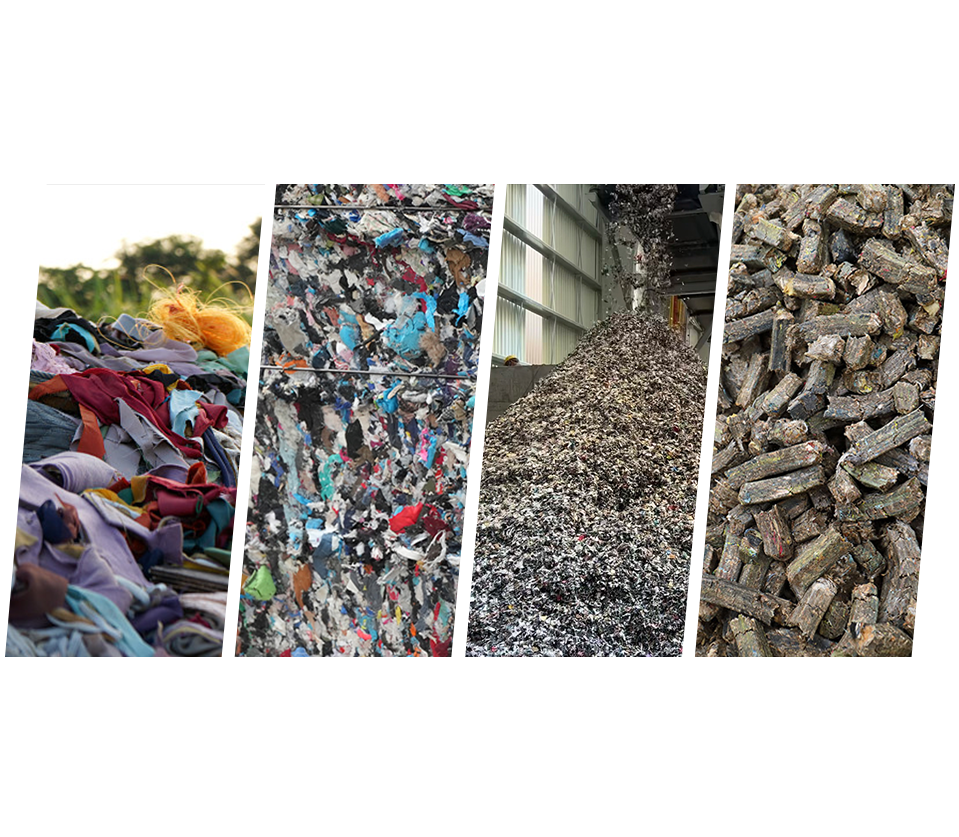
Waste textile fabrics have a calorific value as high as 3,500–4,500 kcal/kg—close to that of ordinary coal—while being low in chlorine content and producing fewer hazardous gases during combustion. This makes them an ideal alternative fuel for cement kilns, coal-fired power plants, and fluidized bed boilers.
Converting waste textiles into RDF (Refuse-Derived Fuel) or SRF (Твердое восстановленное топливо) not only significantly reduces industrial waste disposal costs but also shifts the model from “paying for disposal” к “selling by the ton.”
In actual production, однако, the pretreatment of textile waste faces a common challenge: entanglement.
Ordinary shredders perform well with rigid plastics and wood, but when dealing with long-fiber materials such as fabrics, yarns, and nonwovens, the material wraps around the cutter shaft like tangled thread, causing frequent shutdowns for cleaning and greatly reducing production efficiency.
To produce qualified RDF/SRF alternative fuel, this issue must be addressed first.”
Technical Breakthrough: Four Core Design Features Purpose-Built for "Difficult-to-Shred Soft Materials"
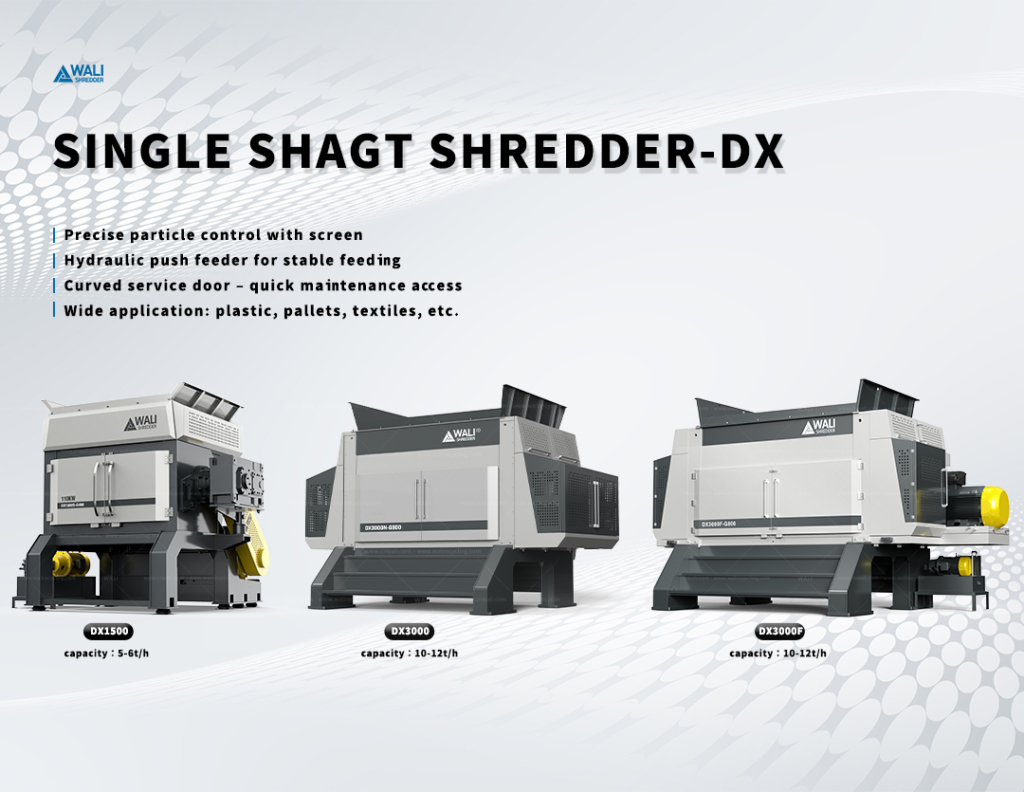
Targeting the soft, tough, and long-fiber characteristics of textile waste, Wali has implemented a series of targeted innovations in equipment design to ensure continuous and stable operation and achieve the required output particle size.
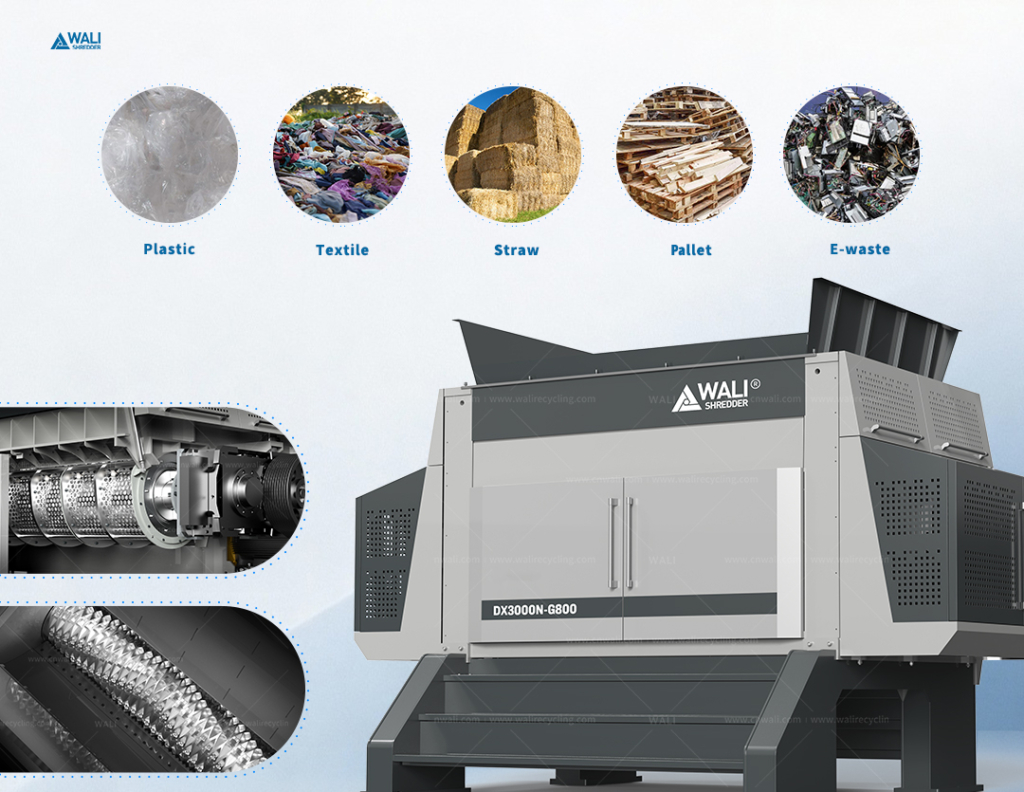
1. Blade Design: Tailored to Material Characteristics for Precise Output Control
Depending on the customer’s required output particle size, we offer two targeted blade options:
>>Small Square Blades: Suitable for applications requiring an output size of 50–100 mm. The blades are mounted on the rotor in a V-shaped arrangement, effectively reducing feed resistance and delivering high shearing efficiency—ideal for conventional shredding needs in RDF/SRF production.
>>Small Long Blades: Suitable for fine shredding applications requiring an output size of 50 mm or less. The longer blades provide a larger cutting surface and enable denser cutting, ensuring uniform and fine particle sizes that meet the strict size requirements of SRF production processes.
Both blade types are forged from imported high-grade materials, offering excellent durability and corrosion resistance. The movable blades can be angle-adjusted and reused multiple times, significantly extending the service life of each blade and helping users reduce consumable costs.
2. Modular Design: Flexible Adaptation to Diverse Operating Conditions
The rotor, экран, and drive system can all be customized based on material characteristics and capacity requirements. We also offer a variety of hopper and automation configuration options to suit different industries and processing capacities—one equipment platform can handle a wide range of material conditions.
3. Screen: Precise Control of Output Particle Size
RDF/SRF has strict particle size requirements (typically 30–100 mm, depending on the boiler type).
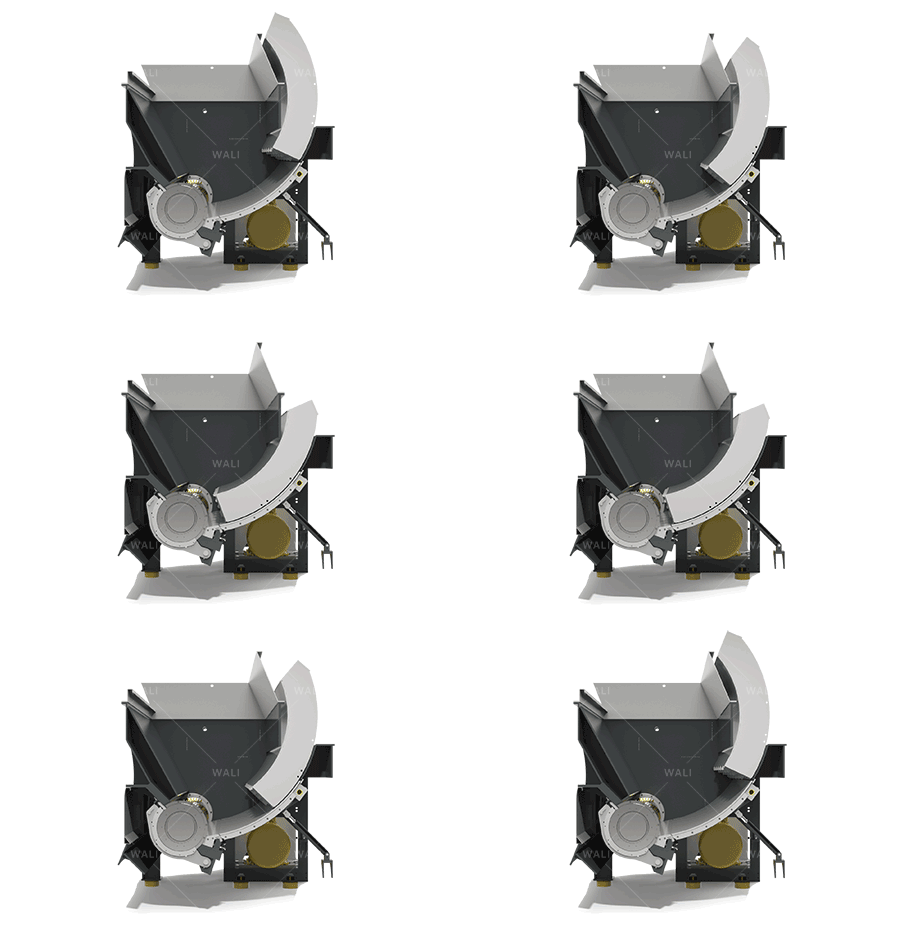
4. Inclined Push Feeder: Stable Feeding with Reduced No-Load Loss
Waste textile fabrics are bulky and fluffy, which can easily cause uneven feeding.
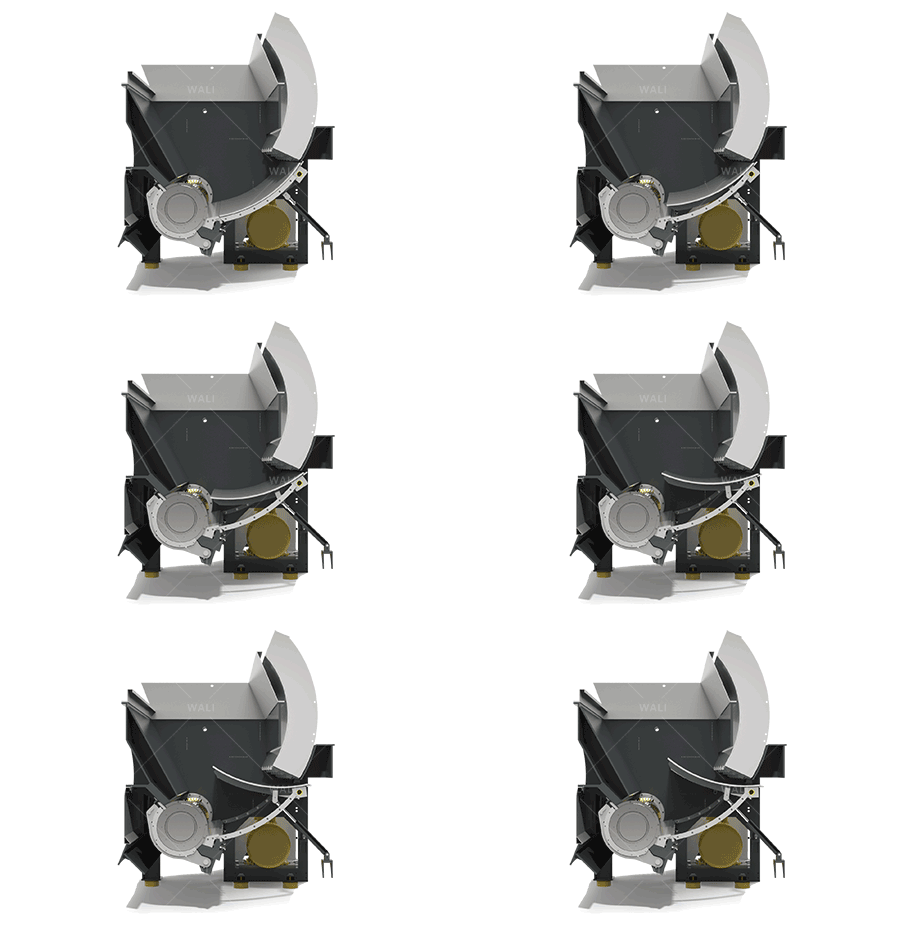
The hydraulically driven inclined push feeder operates with high feeding frequency and consistent force, continuously pushing material toward the shredding zone. This effectively reduces no-load losses and keeps the shredding chamber operating at high efficiency, resulting in more stable overall throughput.
5. Curved Service Door: Easier Maintenance
Ease of equipment maintenance directly affects the overall efficiency of the production line.
The curved service door is equipped with a hydraulic opening mechanism that allows material to fall directly into the shredding zone for rapid processing. When maintenance is required, access is quick and convenient from the service door side, saving labor and time—making routine upkeep no longer a burden.”
From Shredding to Sorting: One System Fulfills All RDF/SRF Production Conditions
A single piece of equipment can solve the “shredding” problem, but producing qualified alternative fuel requires the coordinated operation of an entire production line.
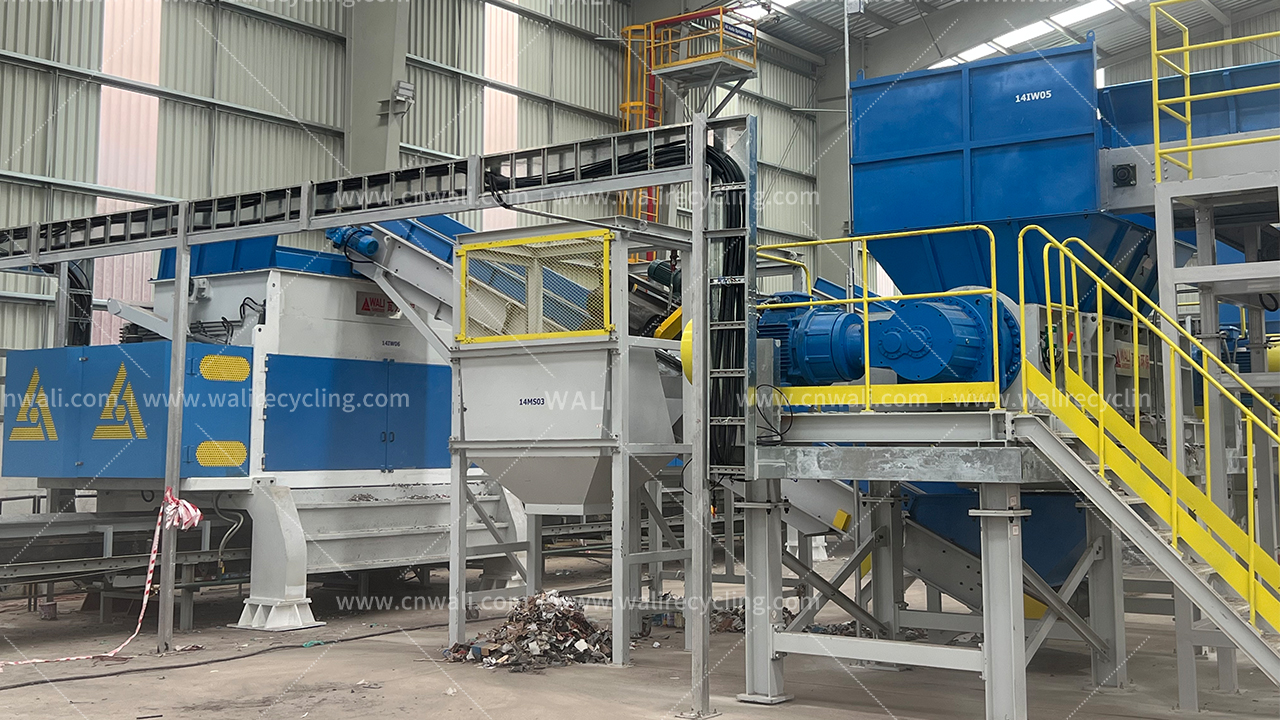
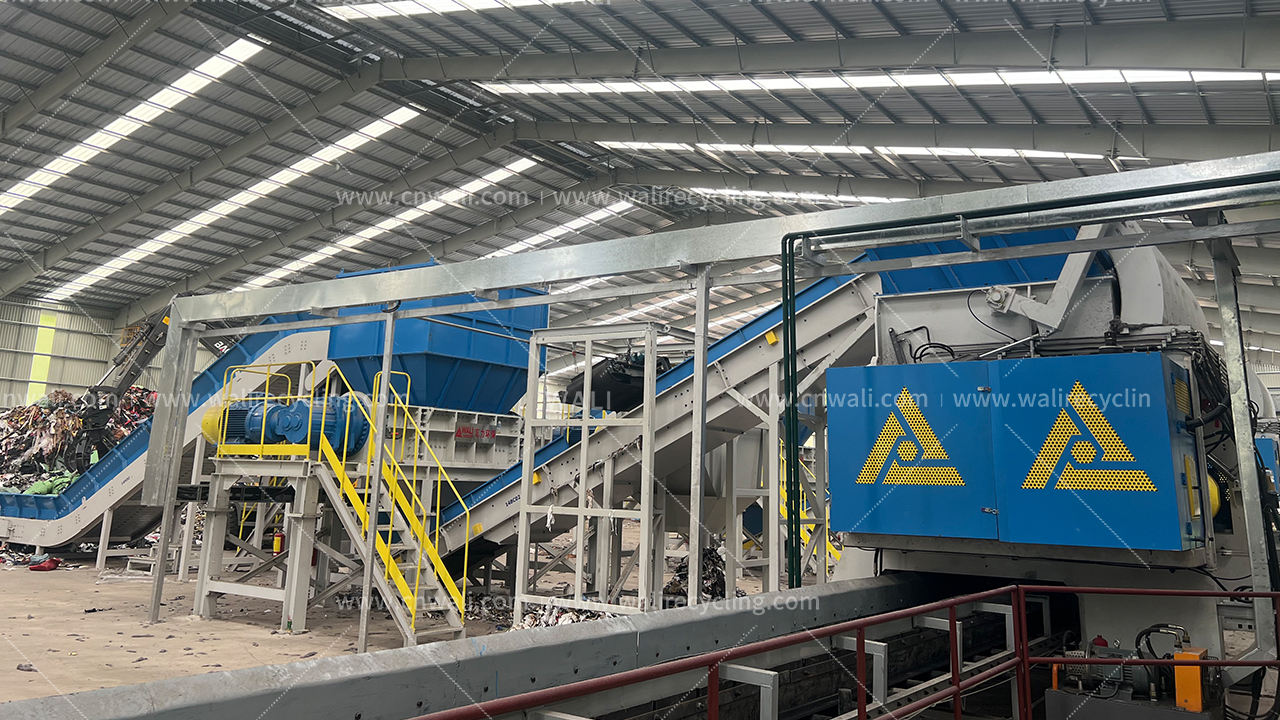
Under Wali’s technology framework, our specialized and modular “shredding + fine sorting” production line provides comprehensive pretreatment support for the subsequent production of high-standard SRF alternative fuel or RDF fuel rods.
The entire process uses purely physical methods to reduce material size and separate components, requiring no melting or chemical treatment throughout, ensuring a clean process with controllable energy consumption.
Этап 1: Primary Shredding – High-Efficiency Pretreatment with a Twin-Shaft Shredder
High-torque, low-energy design capable of processing large-sized mixed materials, such as bales of waste leather, plastic bales, and bulky waste fabrics. After primary shredding, the material is uniform in size, creating favorable conditions for subsequent fine sorting.”
Этап 2: Fine Sorting – Multi-Technology Synergy for Purification
Through modular combinations, the purity of combustible materials is raised to over 85%, meeting the high calorific value requirements of SRF:
⇒Magnetic separators remove ferrous metals (например., zippers, buttons, screws), protecting downstream equipment from damage;
⇒Eddy current separators separate non-ferrous metals (алюминий, медь), further purifying the combustible fraction;
⇒Air classifiers separate light plastics from heavy impurities (sand, glass, и так далее.) based on density.
Этап 3: Final Shredding and Shaping – Single-Shaft Shredder + Screen for Precise Particle Control
The material is shredded to the ideal size of 30–100 mm, ensuring that the alternative fuel burns thoroughly in boilers and is conveyed stably. With screens precisely controlling the output particle size, the final product can be directly used to produce RDF fuel rods or sold as bulk SRF fuel.”
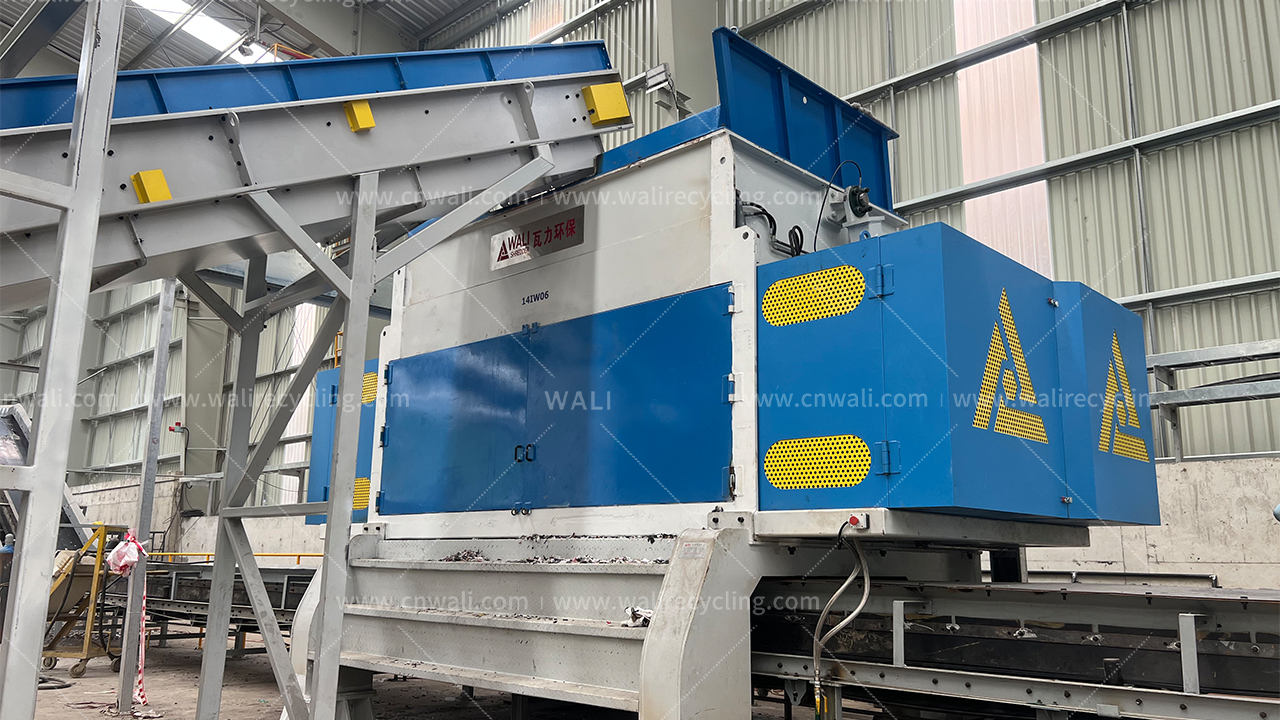
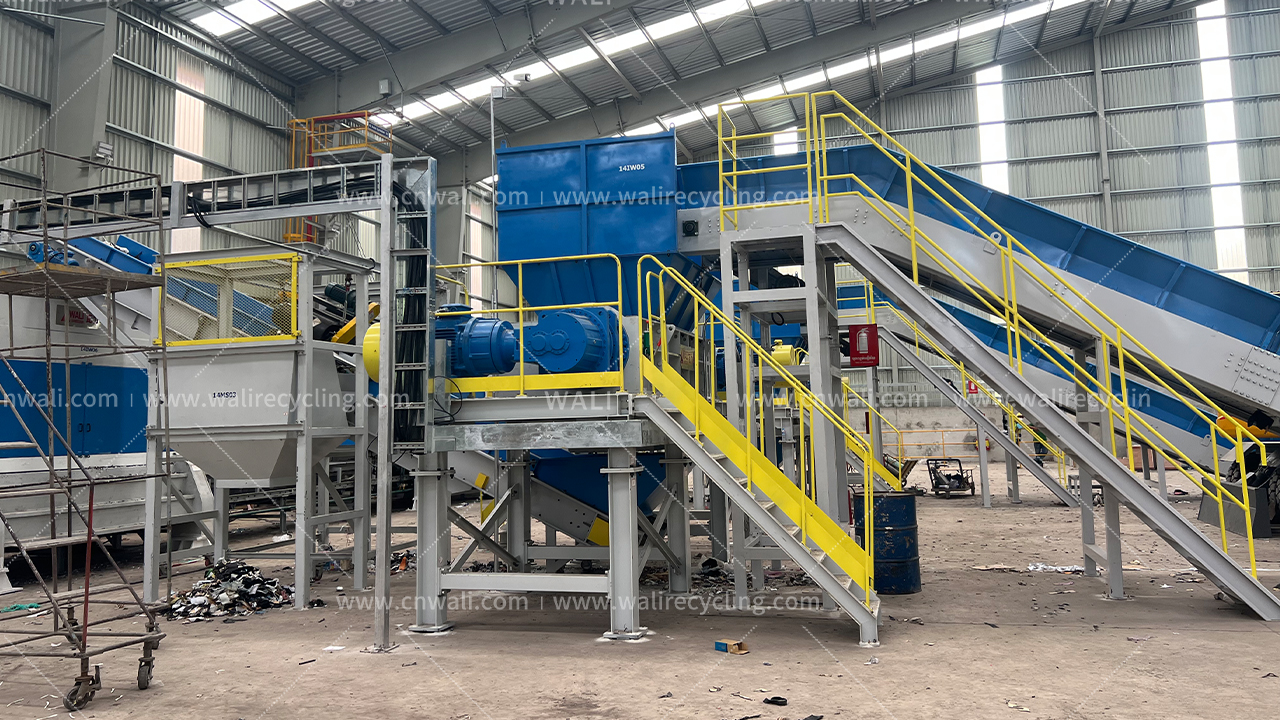
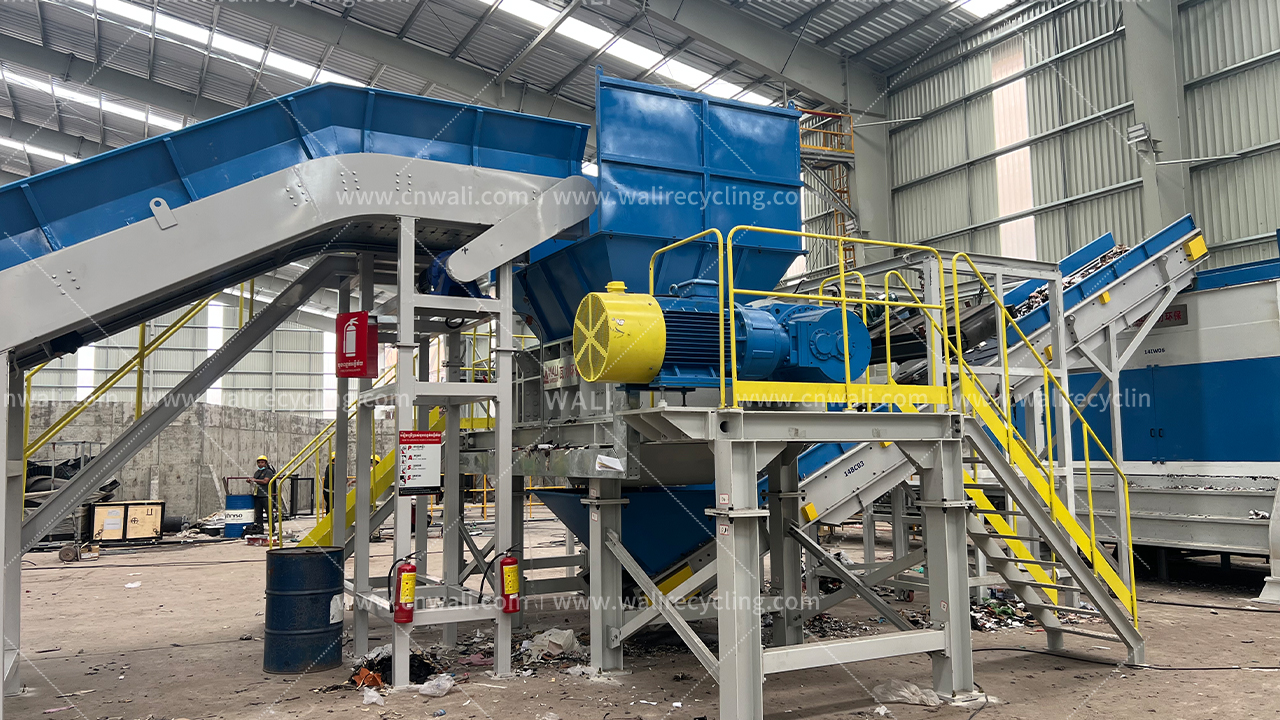

Customized for You: A One-Stop Solution from Material to Production Line
It is important to emphasize that no two textile waste production lines are exactly alike.
Garment factory offcuts, discarded clothing, nonwoven waste, industrial leather waste—materials from different sources vary significantly in moisture content, impurity content, and fiber length.
Следовательно, all of Wali’s processes and equipment configurations can be custom-designed and integrated based on the customer’s actual material characteristics, capacity requirements, and end-product specifications.
We provide full-process services from material analysis, process design, and equipment manufacturing to installation and commissioning, ensuring that every production line achieves optimal resource recovery output and economic returns.”
-END-