 เครื่องทําลายเอกสาร Wali
Strong performance
Bulky waste
recycling solution
Advantages
Bulky waste generally refers to waste materials that are large in volume and heavy in weight. It mainly includes: discarded furniture generated from daily household activities (such as sofas, cabinets, beds, ฯลฯ)
These items are large in size and structurally robust, requiring disassembly for reuse.
นอกจากนี้, it includes garden and landscaping waste produced by residential communities and urban greening maintenance operations, such as tree branches.
The system adopts an integrated processing model of “secondary shredding + sorting” to achieve volume reduction of bulky waste, while simultaneously sorting recyclable materials for resource utilization.

High Efficiency
Rapid crushing and sorting enable fast processing and quick revenue generation.

High Purity
Precise sorting achieves over 98% material purity, directly increasing value and reducing costs.

Intelligent
Centralized smart control minimizes manual intervention and errors, ensuring stable operation.

Customized
End-to-end closed-loop services, from assessment to implementation, tailored to your needs.

Breaking the Siege of Garbage
The bulky waste shredding line, through shredding and sorting, breaks down the physical form and reduces the volume, achieving a breakthrough against the “siege of garbage” in terms of physical space.

Mattress

Sofa

Building a Zero-Waste City
The bulky waste recycling line serves as a pre-treatment center for urban solid waste. Through shredding and sorting, it reduces the pressure on downstream incineration and landfill facilities.

Wardrobe

Desk
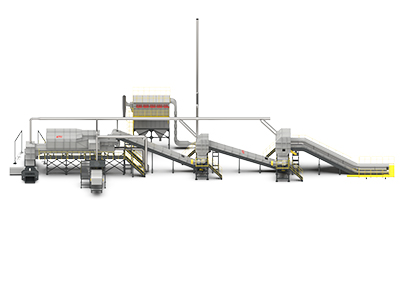
Bulky waste recycling system
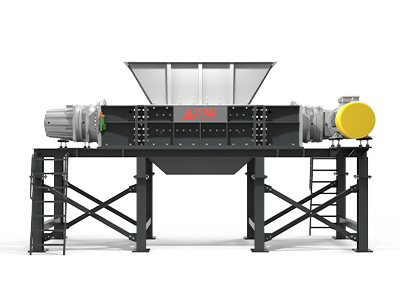
Double Shaft Shredder
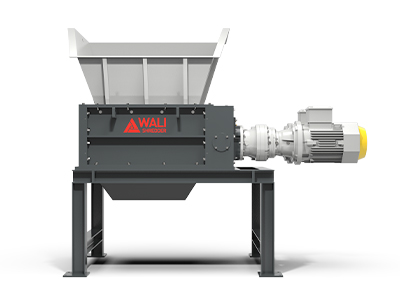
Four Shaft Shredder
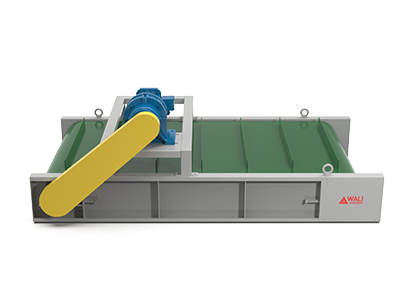
Magnetic separator
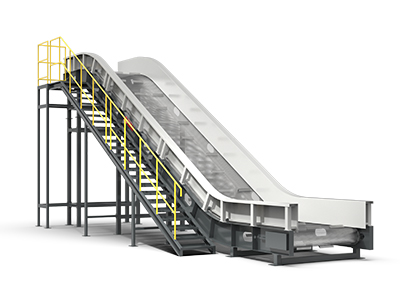
Chain Convoyer
Bulky waste recycling system
Double Shaft Shredder
Four Shaft Shredder
Magnetic separator
Chain Convoyer
Bulky waste
recycling system
The system adopts an integrated processing model of “secondary shredding + sorting” to achieve volume reduction of bulky waste, while simultaneously sorting recyclable materials for resource utilization.
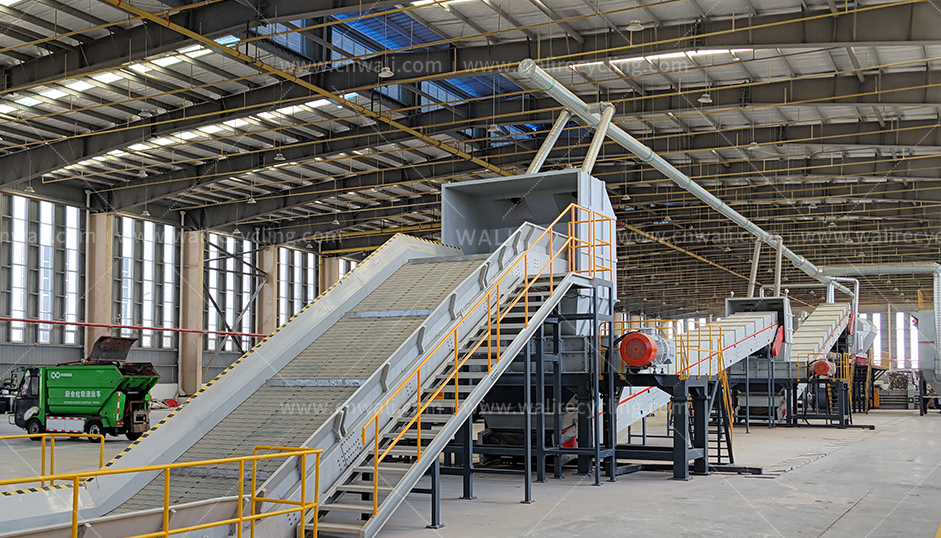
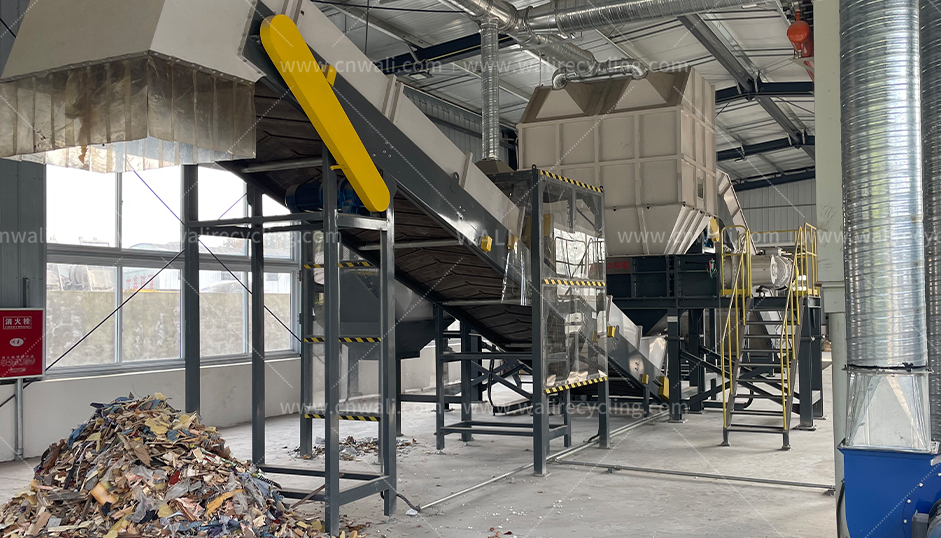
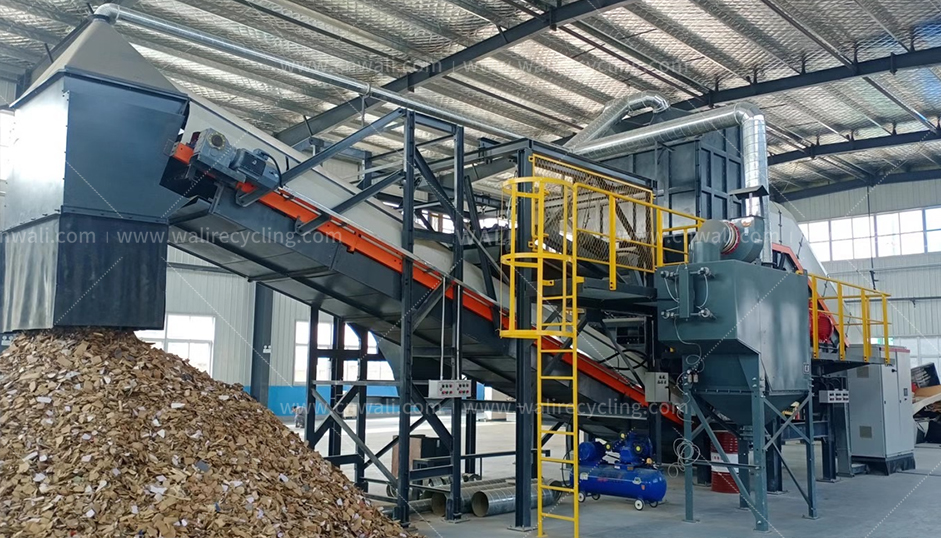
From waste to value
The core concept of a “zero-waste city” is not to completely eliminate the generation of garbage, but to achieve the resource utilization of solid waste, allowing materials to circulate within the city and form a closed loop. ที่ bulky waste shredding line serves as a key converter in this cycle.
https://www.youtube.com/watch?v=khO4S7hQ86Y
เทคโนโลยี
-
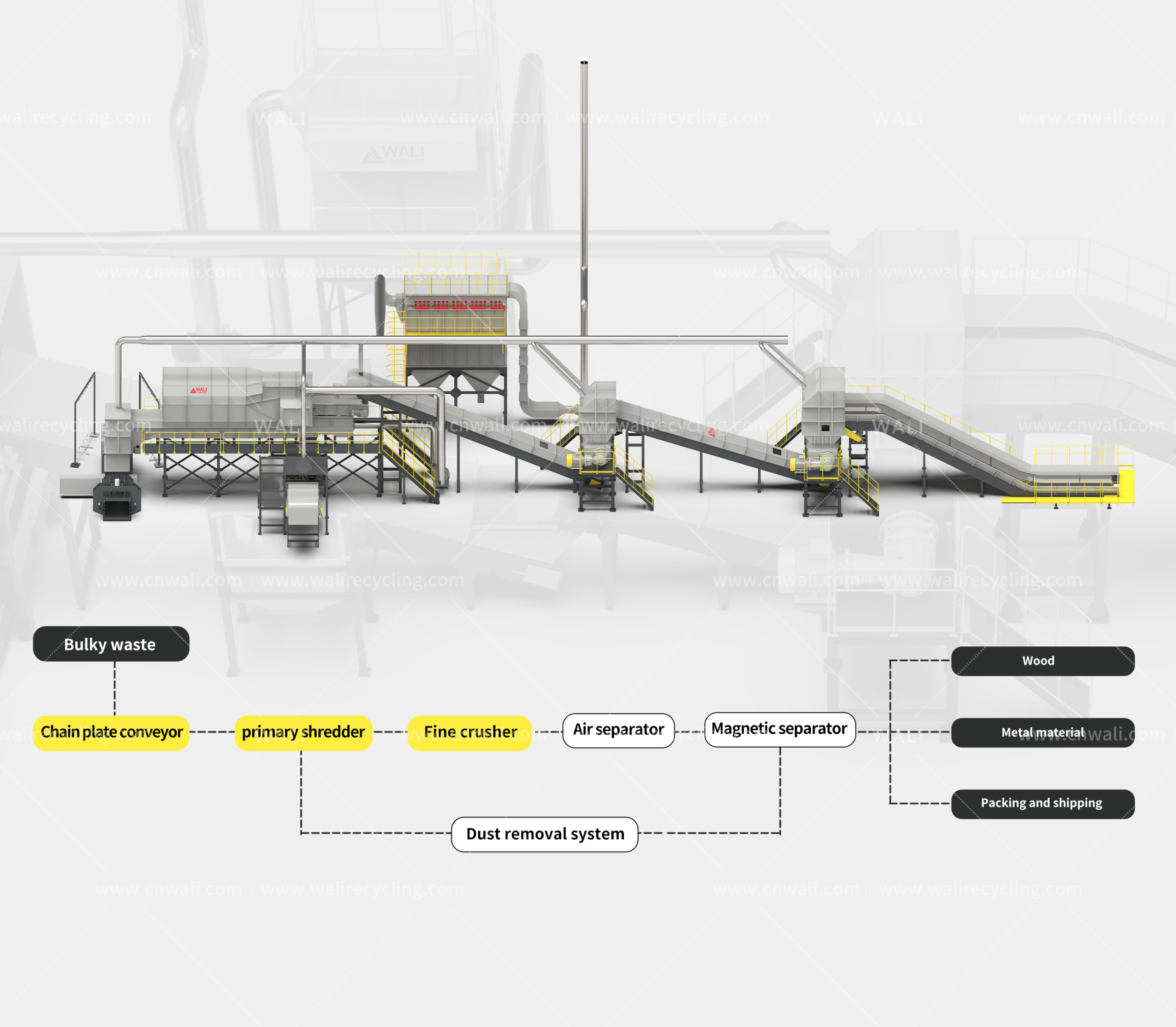
Two-shaft shredder: Features low speed and high torque, capable of pre-shredding materials.
-
Four-shaft shredder: Equipped with a screen for secondary fine shredding of materials, ensuring the desired output particle size is achieved.
-
Magnetic drum separator: Used for ferrous metals, effectively recovering ferrous materials mixed in the waste stream.
-
Air separation system: Utilizes airflow to separate light materials from heavy materials in the shredded material.
-
Pulse dust collection system: Collects air ducts, ensuring that the entire production line operates without secondary pollution.
-
PLC system: Enables real-time monitoring of current, อุณหภูมิ, and operating status.
Flexibility
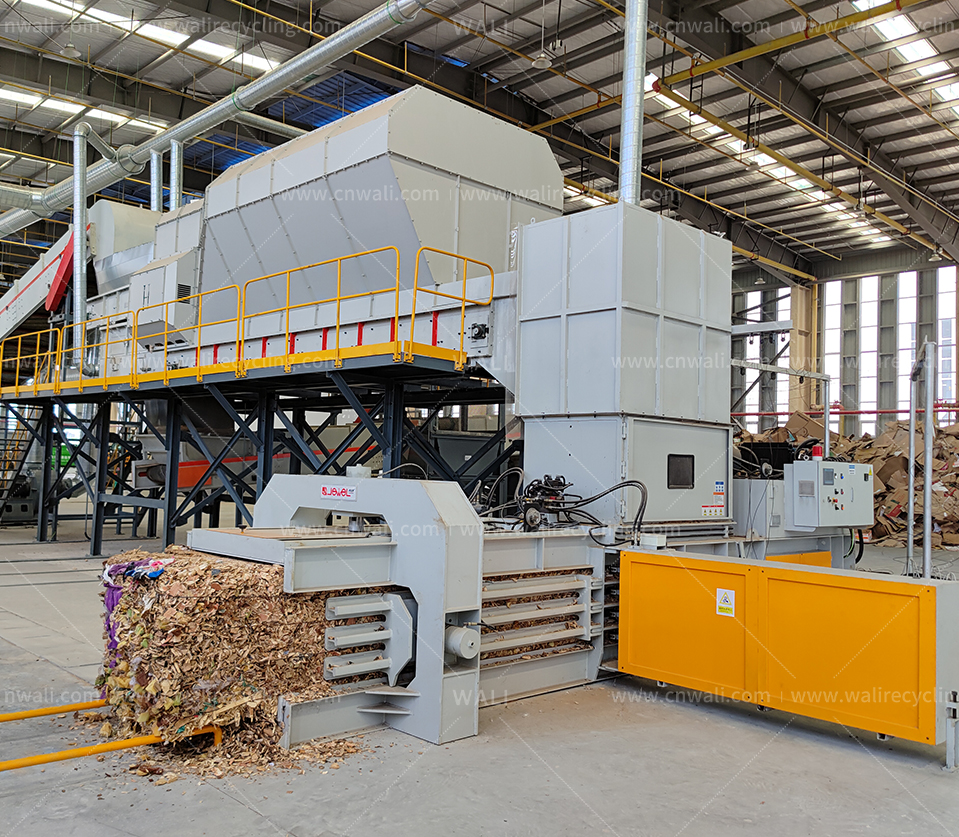
ฉัน. In addition to fulfilling the functions of shredding and volume reduction, the system can also be equipped with a fully automatic baling function.
ครั้งที่สอง. The shredding and baling processes are seamlessly integrated, allowing the shredded material to be directly compressed and baled, thereby solving the transportation challenges of the shredded output.
ที่สาม. คุณสมบัติ: The system offers comprehensive functionality, with integrated control from feeding to discharging.
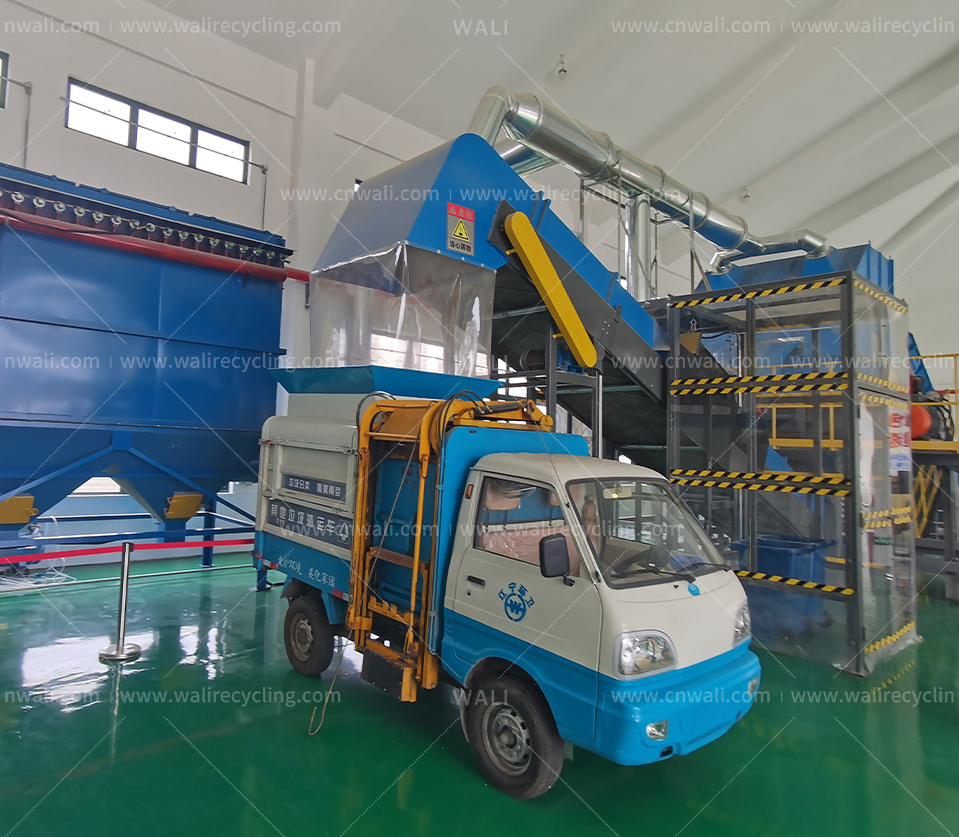
The entire equipment is sealed to prevent dust from escaping, ensuring no harm to operators’ health.
Advantages
High degree of automation: Workers only need to operate from the control room without having to come into close contact with the waste, significantly improving the working environment.
Labor savings: A single line typically requires only 2–3 operators, greatly reducing the costs associated with manual sorting.
เอาท์พุต
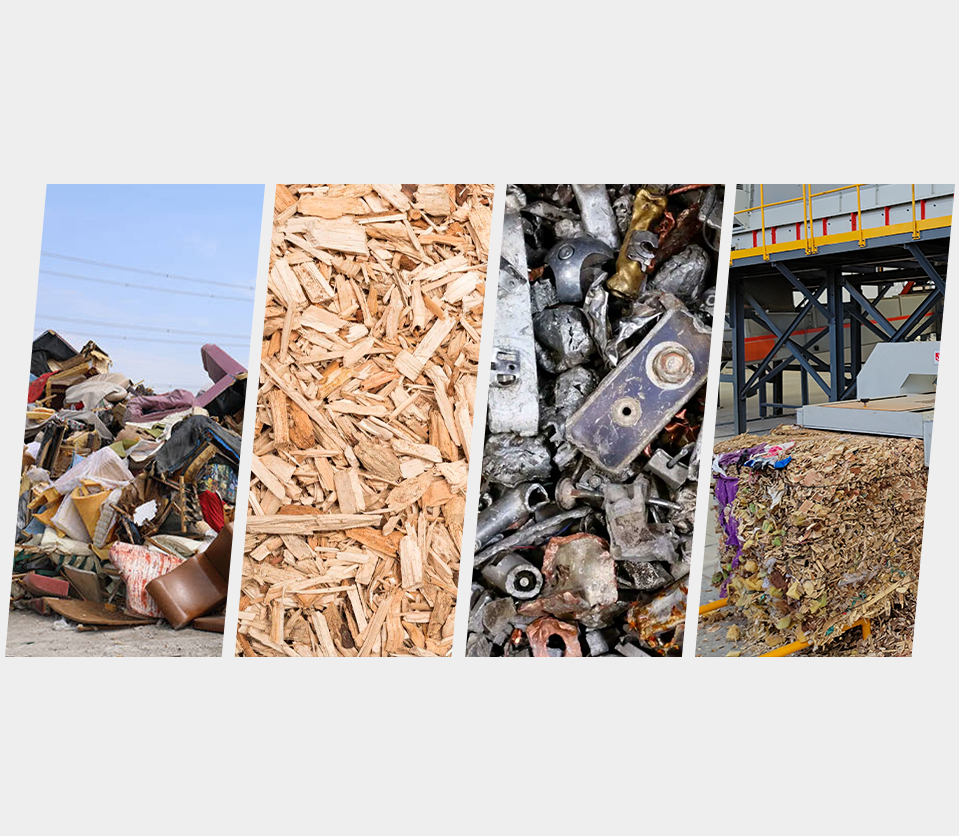
Raw material substitutes: The shredded wood (wood chips) can be sold to biomass power plants as fuel, or used to produce machine-made charcoal and engineered wood panels.
High-value recyclables: Separated scrap iron/steel has high market value and can be directly sold for profit.
Alternative fuel (SRF/RDF): Light materials such as fabric, foam, and plastic mixtures can be processed into refuse-derived fuel and sold to cement kilns or thermal power plants as a substitute for coal.
Landfill reduction: Only a very small amount of non-recyclable residue needs to be landfilled, achieving a volume reduction rate of over 80%.
ข่าว
FAQ
1. What is bulky waste?
Bulky waste generally refers to waste that is large in volume and heavy in weight, such as discarded furniture generated from daily household activities (sofas, cabinets, beds, ฯลฯ).
2.What problems can a bulky waste recycling line solve?
Through shredding and sorting, it achieves volume reduction, facilitates subsequent transportation, reduces the pressure on incineration and landfill, and enables the resource utilization of solid waste, thereby helping to build a zero-waste city.
3.Do you provide customized services?
ใช่. Equipment and facilities can be adjusted according to end-user requirements to tailor-make a recycling line.
4.What are the outputs of a bulky waste recycling line?
After shredding and sorting, bulky waste typically yields light materials such as foam and fabric, as well as metallic materials such as scrap iron and steel.