โทร: +86-177 3033 8505 EMAIL: info@cnwali.com
ติดต่อ |
 เครื่องทําลายเอกสาร Wali
In the field of material recycling, shredders are often associated with the impression of “big machines for big jobs”—massive frames, roaring sounds, processing tons of waste materials. อย่างไรก็ตาม, as the concept of environmental recycling becomes deeply ingrained in households, small shredders are quietly making their way into more scenarios, becoming indispensable helpers across various industries.
วันนี้, let’s take a closer look at a “hardcore” small shredder.
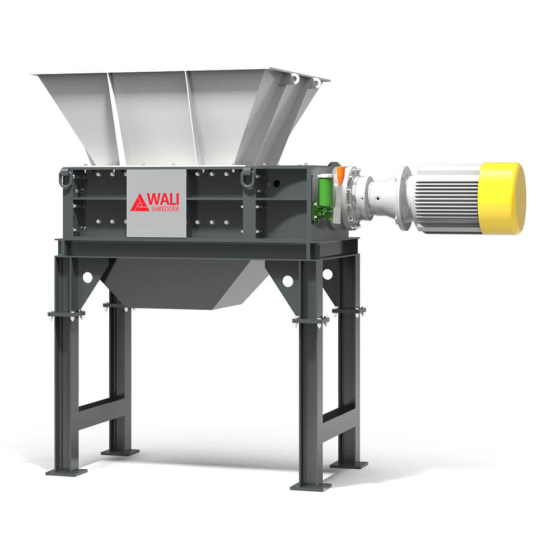
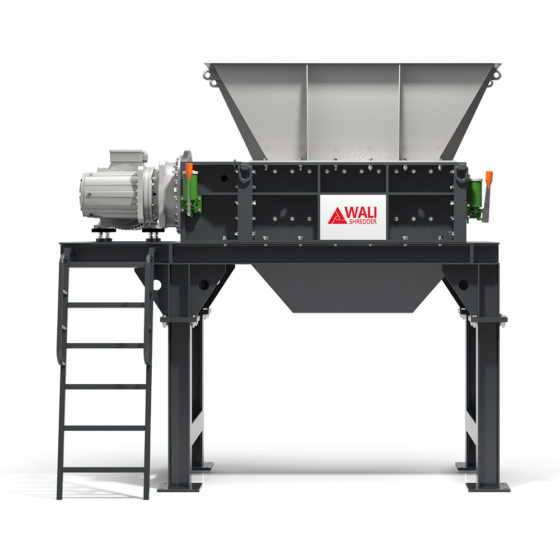
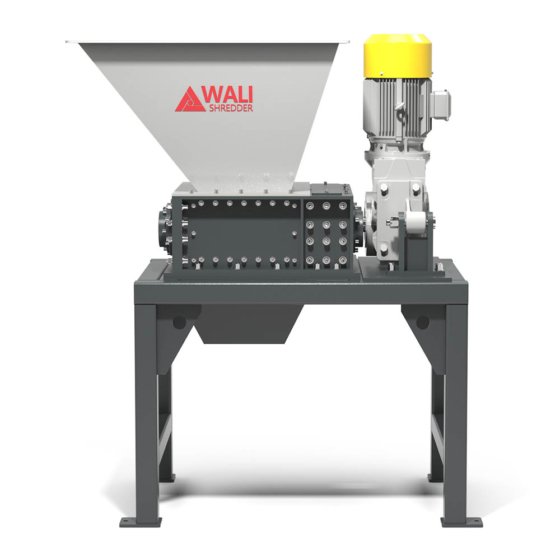
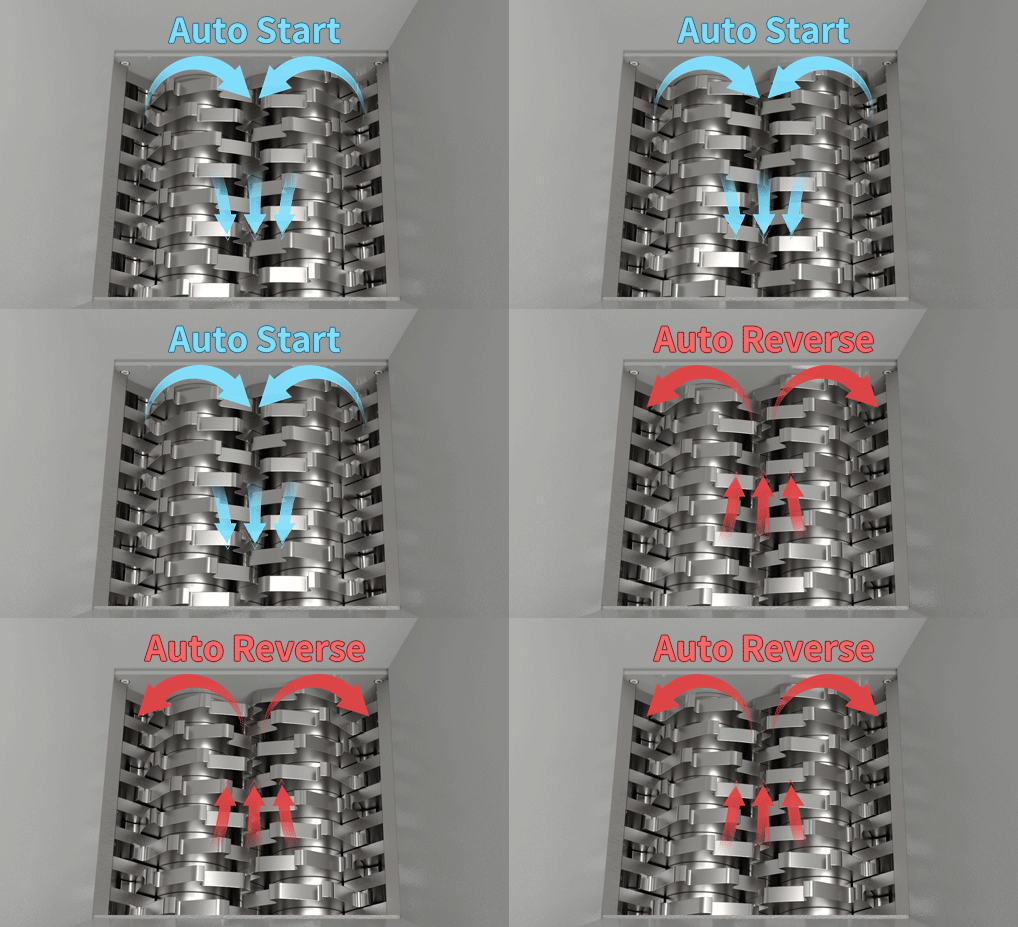
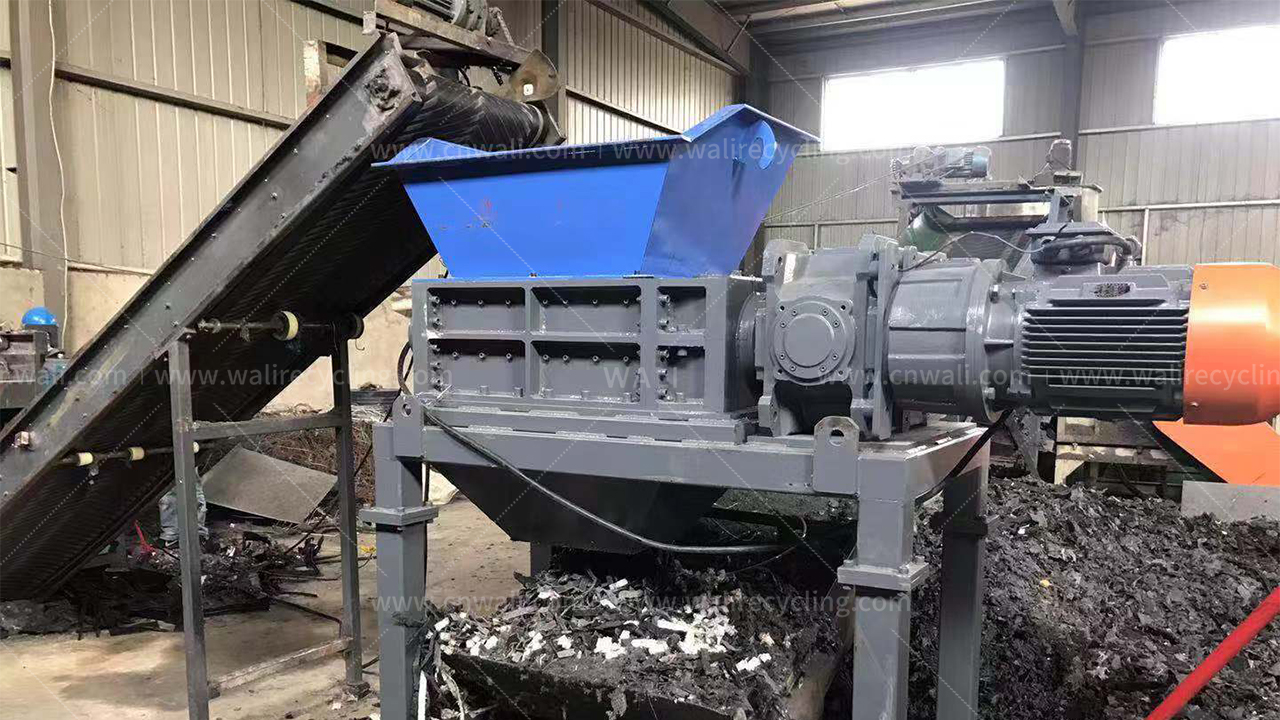
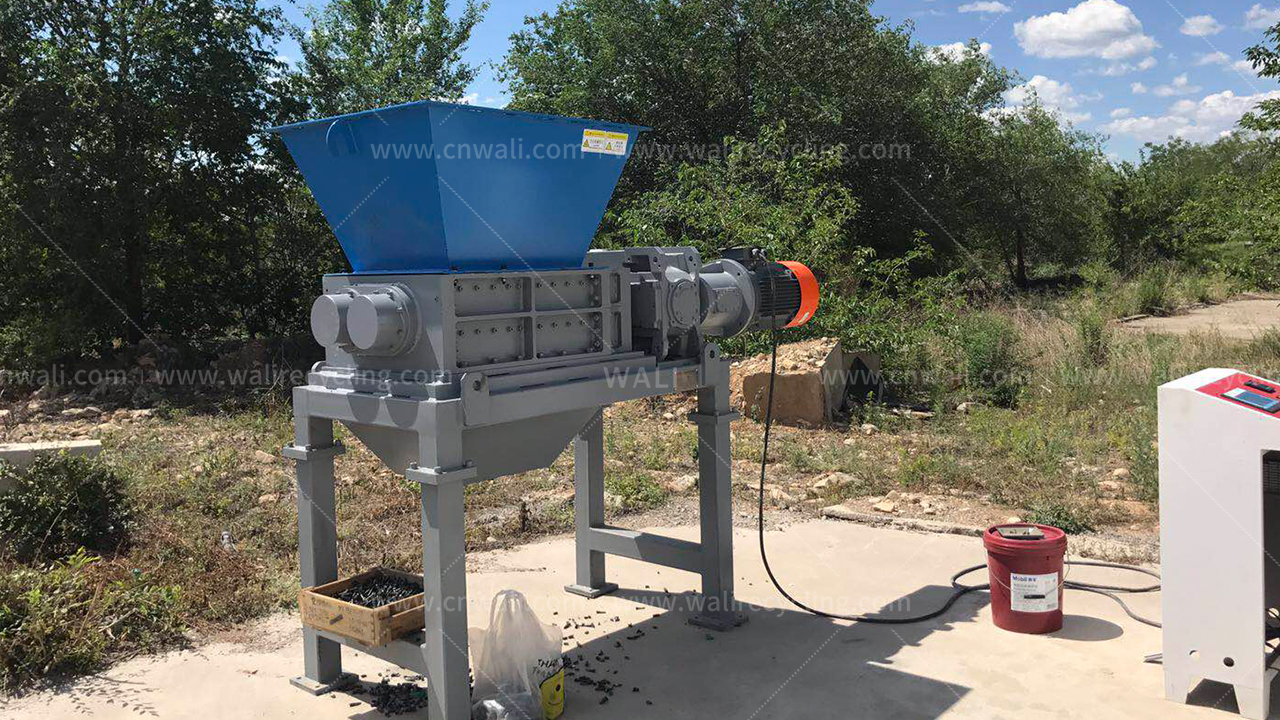
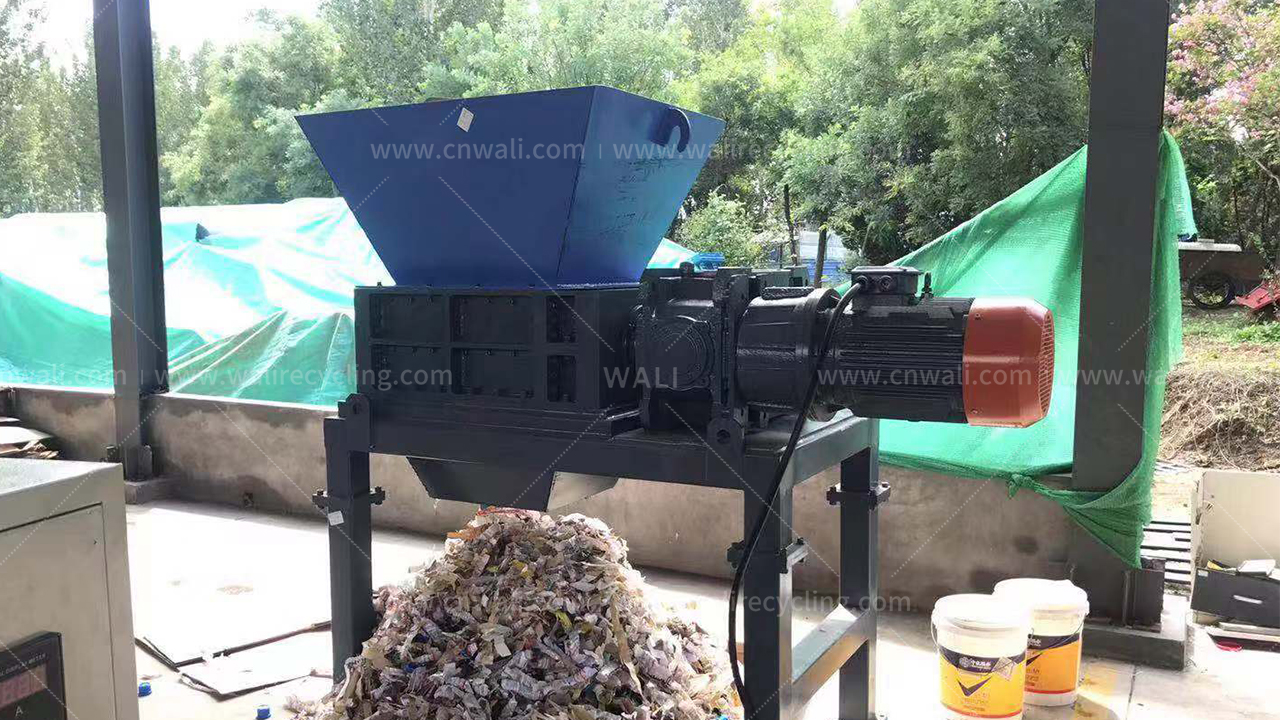
The WLS is a dual-shaft shear shredder featuring a dual-rotor, single-motor design. It operates with low speed and high torque, with a motor power range of 5.5–30 kW, ทําให้ประหยัดพลังงานมากขึ้น.
This light-duty shear shredder has a compact design and a small footprint, but its core strength is formidable. It is specifically designed for shredding and breaking down various hard-to-process solid materials, with a processing capacity of 300 kg/h to 3 t/h.
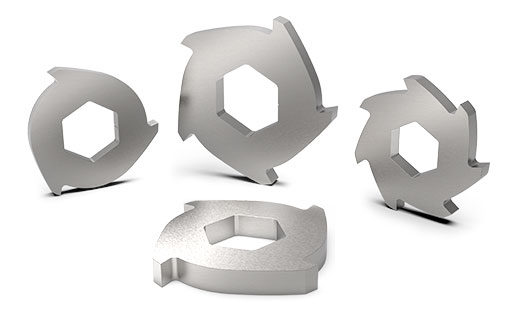
It is equipped with high-alloy wear-resistant blades, a 40Cr transmission shaft, and replaceable stationary blades. The equipment boasts a long service life and low maintenance costs.
Multi-scenario applications
Small shredders are gaining prominence in an increasing number of scenarios due to their flexibility, efficiency, and small footprint:
1.Factory Workshops: ที่ “Waste Manager” by the Production Line
In injection molding factories, electronics plants, and packaging facilities, large amounts of waste are generated daily on production lines: defective plastic parts, sprue materials, offcuts, and waste paper tubes. In the past, these materials had to be collected manually, stacked, and transported only after accumulating a certain amount, which took up space and wasted labor.
A small shredder can be placed directly next to the production line, shredding waste as soon as it is generated and reducing its volume by over 70%. The shredded material can then be directly recycled into granules or bagged for transport, keeping the workshop clean and organized.
2.Community Recycling Stations: “Primary Processing Plants” for Urban Mining
Community recycling stations receive various waste materials daily, including discarded appliance casings, plastic crates, old tires, and wooden furniture. These bulky items take up significant storage space and incur high transportation costs.
A small shredder enables recycling stations to achieve an efficient model of “collect, shred, and transport.” Shredded waste takes up much less space, allowing one truck to carry what previously required three trips, significantly reducing logistics costs.
3.Research Institutions: “Lab Assistants” for New Material Development
In materials science labs, researchers need to test the recyclability of new materials or crush samples for compositional analysis. Large industrial shredders are clearly unsuitable, while small shredders become ideal experimental equipment—compact, easy to clean, and capable of handling various materials.
4.Family Farms: “Waste-to-Wealth Machines” for Agricultural Waste
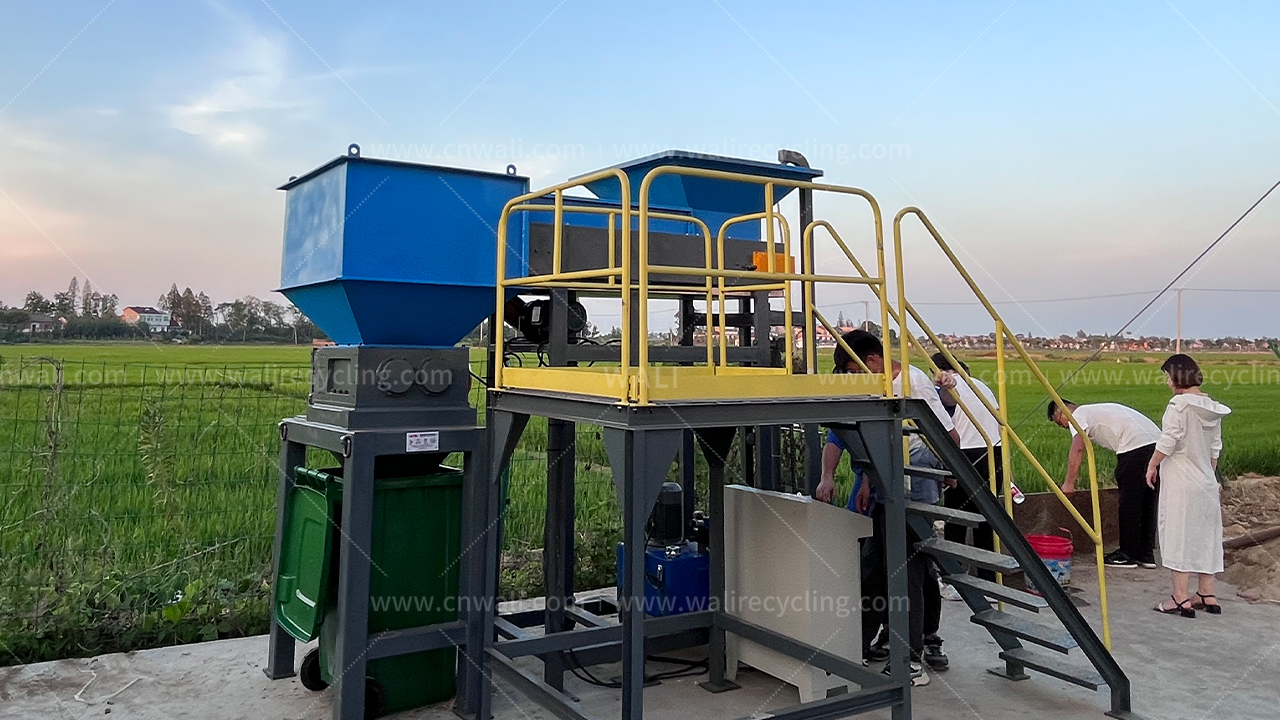
In rural areas, materials like straw, fruit tree branches, waste agricultural film, and discarded medicine bottles from farms have always been challenging to manage. Small shredders allow farmers to process this waste on-site:
Shredded straw and branches can be composted or used as biomass fuel.
Shredded agricultural film takes up less space, making it easier to recycle.
Discarded medicine bottles are shredded and rendered safe to prevent illegal recycling.
5.Office Buildings/Shopping Malls: “Terminators” for Confidential Documents
Agencies handling sensitive information, financial institutions, and large enterprises generate vast amounts of confidential documents every year. Standard paper shredders have limited capacity, and outsourcing destruction raises concerns about security breaches.
A small industrial-grade shredder can easily process tons of paper documents, ซีดี, and hard drives on-site, ensuring complete information security. It is hundreds of times more efficient than standard shredders and far more cost-effective than large destruction equipment.
6.Hospitals/Laboratories: “Guardians of Safety” for Medical Waste
Hospitals and labs generate waste such as discarded pharmaceutical packaging, disposable petri dishes, and expired samples, all of which need to be thoroughly destroyed to prevent information leaks or illegal circulation.
Small shredders can shred these materials on-site, rendering them unrecognizable and ensuring data security while significantly reducing the volume of waste that requires subsequent sterilization.
WALI-SHREDDER
Although small shredders are “compact,” their hardcore configuration ensures they are “small but not weak.” From factory workshops to community recycling stations, from laboratories to family farms, they are proving their value in an ever-growing range of applications.
As a professional shredder manufacturer, we understand that true “hardcore” quality lies in every component standing the test of time and every device excelling in its designated “battlefield.”
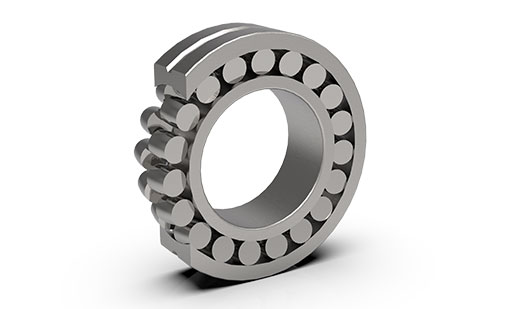
The WLS series embodies our design philosophy in every structural detail. By incorporating components from well-known domestic and international brands, we ensure the machine’s performance and quality. High-grade steel and precision welding techniques guarantee structural reliability even under the most demanding operating conditions. With simple routine inspections and lubrication, maintenance is quick and convenient, minimizing downtime. This approach results in mechanical solutions that sustain stable production processes over the long term, helping customers maximize their investment value.
-END-